
Choosing Counsel After a Denver Motorcycle or Semi-Truck Crash

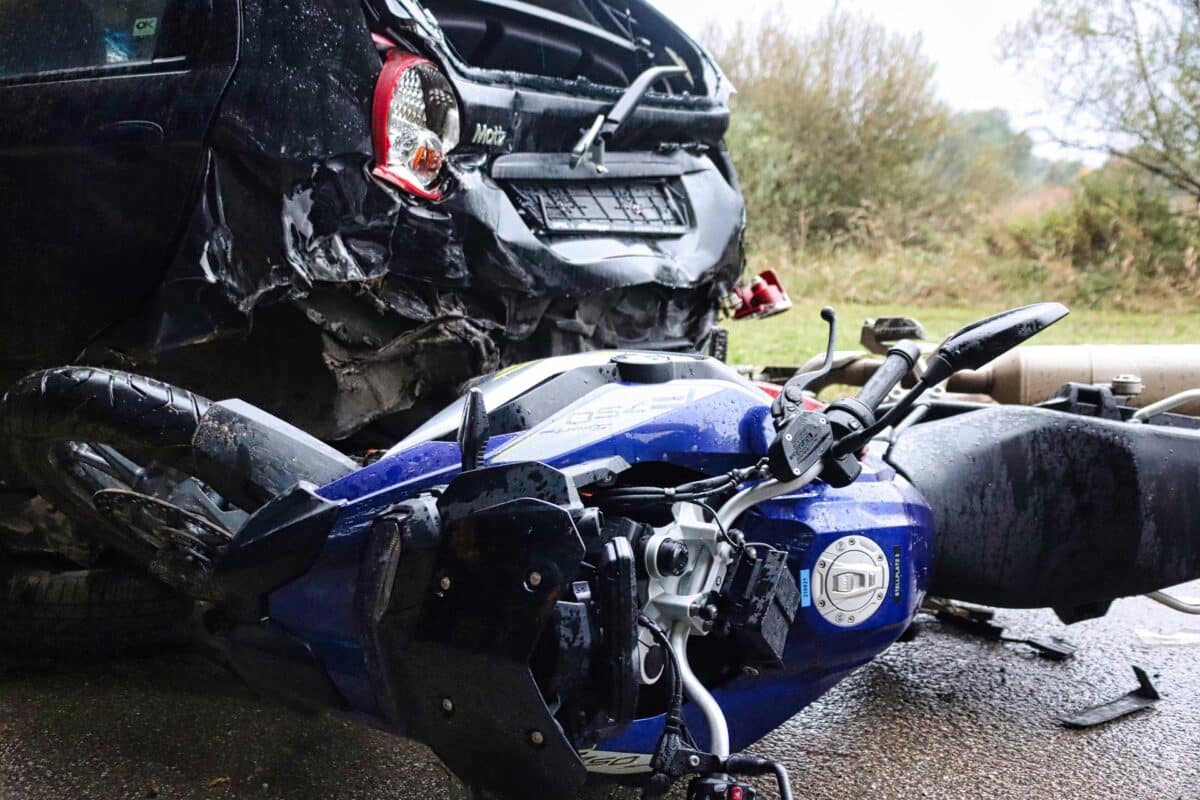
Motorcycle and semi-truck crashes sit at opposite ends of the vehicle size spectrum, but they share something important. The injuries tend to be severe, the facts are often disputed, and the evidence that answers the hardest questions can disappear quickly. Choosing the right lawyer comes down to who will investigate those facts carefully and keep you informed while they do.
At Chalat Law, we represent people in Denver after catastrophic accidents and negligence, and motor vehicle collision litigation is central to that work. We take a transparent approach: we tell clients what we see in their case, what we do not know yet, and what we plan to do about it.
Motorcycle accident representation
Our firm handles motorcycle accident cases as part of our collision practice, and riders often come to us after crashes where fault is disputed from the first day.
There is no objective list of the best motorcycle accident lawyers in Denver. There are lawyers whose collision experience, communication, and approach fit a particular rider’s case. These are the criteria worth comparing:
- Relevant collision experience. Ask how many motorcycle cases the lawyer has handled personally, what types of crashes they involved, and how recent they were.
- Communication. Ask who your main contact will be and how often you will hear from them, especially during long stretches of medical treatment.
- Case strategy. Ask what the lawyer sees as the biggest dispute in your case and how they would address it.
- Fee terms. Ask for the fee agreement in writing, including how case costs such as accident reconstruction are paid.
When the driver says they did not see you
“I didn’t see the motorcycle” is one of the most common things drivers say after a crash, especially in left-turn collisions. It is a statement, not a defense that settles the case, and it often becomes the central question in the investigation. Insurers may also try to shift blame to the rider, which matters because Colorado’s comparative negligence rule reduces recovery by the injured person’s share of fault and bars it at 50 percent or more.
Ask any lawyer you consider how they would investigate that claim:
- What evidence would you request first, such as traffic cameras, nearby business video, dashcam footage, or the other driver’s phone records?
- Would you examine sight lines, lighting, and road conditions at the scene, and would you bring in an accident reconstruction expert?
- How would you respond if the insurer argues I was speeding, lane splitting, or hard to see?
- How would you handle damage to my bike and gear as evidence?
A lawyer who answers with specific investigative steps, rather than general reassurance, is telling you how they actually work.
Semi-truck accident representation
We represent people injured in semi-truck and commercial truck accidents, where the size of the vehicle and the number of companies involved change how a case has to be built.
A crash with a semi involves more parties and more records than a typical car accident. The driver, the trucking company, the owner of the trailer, a cargo loader, and a maintenance contractor may all be relevant, and each may have its own insurer and attorneys. Our motor vehicle collision litigation background shapes how we approach these cases, and the same criteria from the motorcycle section apply: relevant collision experience, clear communication, a defined strategy, and written fee terms.
Questions to ask about investigating a truck crash
- How soon would you send preservation requests to the trucking company, and what records would they cover?
- Would you request the driver’s logs and electronic logging data to check compliance with federal hours-of-service rules?
- Would you look at maintenance and inspection records for the truck and trailer, and at the company’s hiring and training files for the driver?
- Who else besides the driver might share responsibility, and how would you identify every insurance policy involved?
- Would you work with reconstruction or trucking industry experts, and how are those costs handled?
Questions to ask about communication
- Truck cases can take longer than car cases. How will you keep me updated during slow periods?
- Who do I call if the trucking company’s insurer contacts me directly?
- What decisions will you bring to me, and which will you make on your own?
Colorado generally allows three years to file a claim arising from a motor vehicle crash, but evidence in truck cases can be lost long before that. If you were hurt in a motorcycle or semi-truck crash, we are glad to talk through what happened and how we would approach it in a free consultation.