
Finding Legal Representation After a Denver Bike or Pedestrian Accident

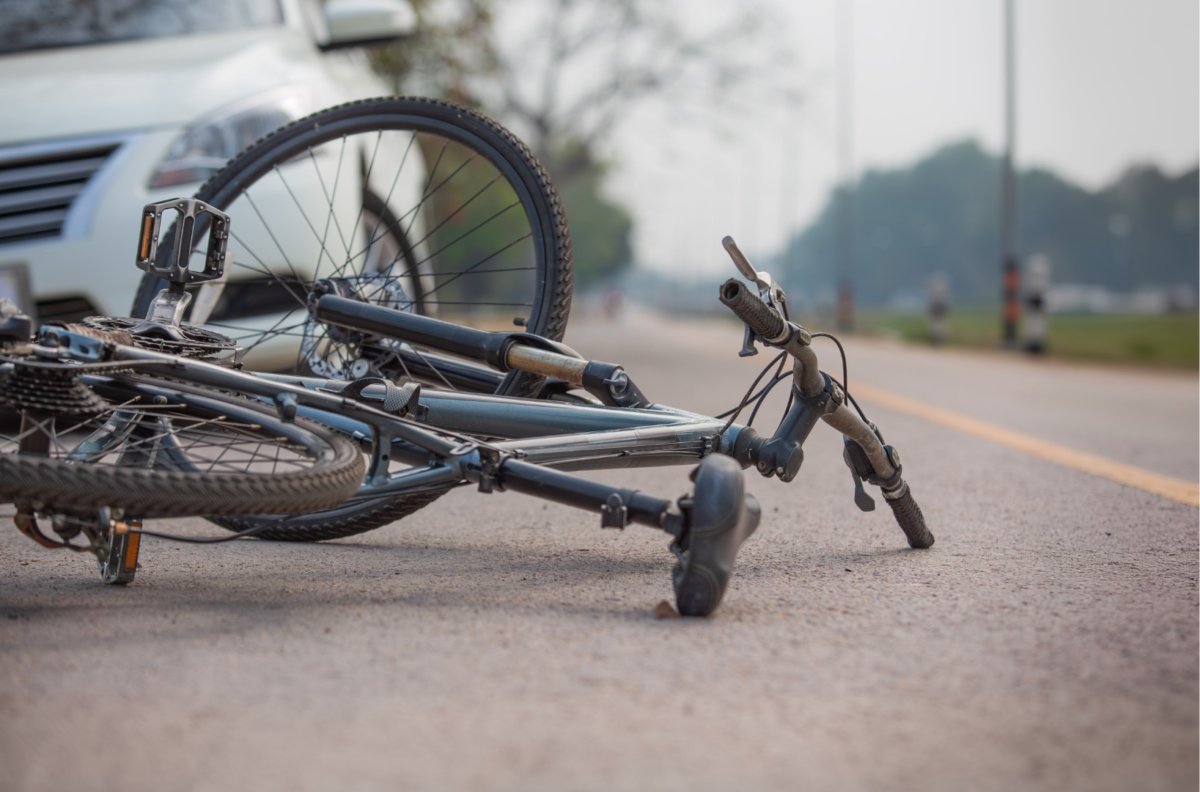
When a car hits someone on a bike or on foot, there is nothing between the person and the vehicle. The injuries are often serious, and the questions that follow are specific: who had the right of way, was the door opened safely, what did the driver see? The right lawyer is one who knows how to answer those questions with evidence.
Chalat Law is a Denver personal injury firm representing people hurt in catastrophic accidents and by someone else’s negligence. This is not a ranked list of lawyers. It is a practical way to assess any attorney you are considering after a bicycle or pedestrian crash.
Bicycle crashes and dooring incidents
Directory listings often describe a firm as offering legal services for cases involving accidents and injuries. That wording is a description of what a firm accepts, not evidence of its experience with bicycle crashes. Look for specifics instead. Our own bicycle accident practice starts with the rules below, because they frame almost every bike claim in Colorado.
What Colorado law says about cyclists and car doors
Under C.R.S. 42-4-1412, a person riding a bicycle in Colorado has the same rights and duties as the driver of any other vehicle, with some specific exceptions. That means a cyclist in a lane or bike lane is lawful traffic.
Dooring has its own statute. C.R.S. 42-4-1207 prohibits opening a vehicle door on the side available to moving traffic unless it is reasonably safe and can be done without interfering with other traffic, and it prohibits leaving a door open on that side longer than needed to load or unload passengers. A violation is a class B traffic infraction. Whether a violation supports a civil injury claim, and how fault is shared, depends on the facts of each crash.
Questions to ask a lawyer about a bike crash
- How many bicycle cases have you handled personally, and were any dooring crashes?
- In a dooring case, how would you identify who opened the door, whether a driver or a passenger, and which insurance policy applies?
- What evidence would you collect, such as video from nearby businesses, rideshare trip records if a passenger was involved, and damage to the bike?
- How would you respond if the insurer argues I was riding too close to parked cars or outside the bike lane?
- How would you account for my injuries, gear, and bike, and what do you need from me?
Fault arguments matter in bike cases. Under Colorado’s modified comparative negligence rule, any share of fault assigned to the rider reduces recovery, and a finding of 50 percent or more bars it. A lawyer should be able to explain how they would address that risk in your case.
Pedestrian accident representation
Pedestrian claims usually come down to right of way and attention. Firms often describe their clients as personal injury victims who have suffered injuries as a result of another person’s negligence. That is accurate, but it applies to every injury firm. What you need to know is how a specific lawyer would prove negligence in your crash. In our pedestrian accident cases, that work begins with the right-of-way rules.
What Colorado law says about pedestrian right of way
Under C.R.S. 42-4-802, when traffic signals are not in place or not working, drivers must yield to a pedestrian crossing in a crosswalk, slowing or stopping as needed. The same statute says pedestrians may not suddenly leave a curb into the path of a vehicle that is too close to stop. Under C.R.S. 42-4-803, a pedestrian crossing outside a marked crosswalk or an unmarked crosswalk at an intersection must yield to vehicles. These rules often decide how fault is divided.
Questions to ask a lawyer about a pedestrian claim
- How would you establish where I was crossing and what the signals showed at the time?
- What evidence would you request quickly, such as intersection cameras, signal timing data, and the driver’s phone records?
- If the driver says I crossed outside a crosswalk, how would that affect my claim, and how would you respond?
- Who will be my main contact, and how often will I get updates while I am still in treatment?
- What are your fee terms, and how are case costs handled?
Claims arising from the use or operation of a motor vehicle in Colorado generally must be filed within three years, but evidence such as video is often lost within days. If you were hurt on a bike or on foot because of someone else’s negligence, we are glad to review what happened and give you a straight assessment. Schedule a free consultation with our team.