Colorado’s 10 Most Congested Roads

If you feel like your commute is taking longer, it is.

Newly released census data show that Colorado was the sixth fastest-growing state over the last 10 years. Colorado’s population grew at nearly twice the rate of the rest of the nation between 2010 and 2020, the U.S. Census Bureau reported earlier this month. The Denver metro area and northern Colorado counties saw some of the strongest growth. While the rapid growth over the last decade has done wonders for the Centennial state’s economy, it has also created significant challenges around traffic congestion.

According to the Colorado Sun, Colorado’s highways were designed for a population of 3.5 million people. The state now has 5.8 million residents and approximately 4.2 million licensed drivers in 2019. Not surprisingly, the increase in population means more vehicles on the road. Unfortunately, Colorado’s transportation investments haven’t kept pace with population gains. The result: increased gridlock.

Traffic in Denver CO

Traffic Congestion in Colorado – And what it’s costing us

A recent economic report released by TRIP, a national transportation research non-profit, confirms what Colorado drivers have speculated for some time — that vehicle travel in Colorado has increased substantially in recent years. From 2000 to 2019, vehicle travel in Colorado increased by 31 percent, the ninth highest rate in the nation.

The report, “Keeping Colorado Mobile,” states congested roads and highways cost Colorado drivers $3.5 billion per year in lost time and wasted fuel. Annually, traffic delays cost the average Denver driver $1,242 per year or 26 gallons of wasted fuel, and 62 hours lost to congestion. In Colorado Springs, congestion costs drivers $838 per year and 44 hours lost, while northern Colorado drivers lose about $460 per year and 22 hours annually. Consequently, the increase in traffic not only impacts motorists’ bottom line but is also directly tied to the quality of life for the state’s residents.

Colorado’s 10 most congested highway segments

Here is TRIP’s list of Colorado’s ten most congested roads and highway segments. The results are based on the measured volume of traffic carried by a roadway compared to its capacity.

RANKROUTEURBAN AREASEGMENTAVG. DAILY TRAFFIC
1SH 470Littleton, Lone TreeSanta Fe Dr. to Yosemite St.104,959
2I-25DenverHampden Ave. to Speer Blvd.236,182
3SH 83 (Parker Rd.)AuroraHampden Ave. to Dartmouth Ave.79,662
4SH 88 (Arapahoe Rd.)Greenwood Village, AuroraI-25 to SH 83 (Parker Rd.)65,656
5I-25Lone Tree, DenverLincoln Ave. to SH 285 (Hampden)242,249
6I-70West Vail, VailChaonix Rd. to Vail Rd.45,000
7SH 85 (Sante Fe Dr.)LittletonBlakeland Dr. to Mineral Ave.43,455
8SH 24 (Powers Blvd.)Colorado SpringsFountain Blvd. to Platte Ave.61,909
9SH 85 (Santa Fe Dr.)Englewood, DenverHampden Ave. to I-2593,128
10SH 287WestminsterSH 36 to 104th Ave.39,047

Without an updated, efficient, safe, and resilient transportation infrastructure, fighting traffic congestion will continue to be part of the daily routine for commuters in Colorado. Fortunately, a comprehensive statewide transportation funding package was signed into law on June 17. Senate Bill 21-260 will allocate nearly $5.3 billion in funding for transportation over the next decade, with the majority of it going towards maintenance and new construction on roads and highways across the state.

Four Chalat Hatten & Banker Lawyers Selected to The Best Lawyers in America 2022

Chalat Hatten & Banker is proud to announce all four of its personal injury attorneys have been recognized by Best Lawyers in the 2022 edition of The Best Lawyers in America. Since it was first published in 1983, Best Lawyers has become universally regarded as the definitive guide to legal excellence. It is considered to be the most respected peer-review publication in the legal profession. A listing in Best Lawyers is regarded by both clients and legal professionals as a significant honor.

In addition, senior trial attorney, Jim Chalat, was named the 2022 Lawyer of the Year in Legal Malpractice Law by the same prestigious publication, Best Lawyers. Only one lawyer is recognized as the “Lawyer of the Year” for each practice area and location, making this accolade particularly significant. This year’s recognition marks Jim Chalat’s 9th consecutive selection in The Best Lawyers in America. It is also his second Lawyer of the Year award. Jim was awarded Denver’s Lawyer of the Year award in 2017 in the field of Professional Malpractice Law – Plaintiffs.

All four of the firm’s Denver, CO personal injury lawyers have been named to this distinguished list for the second year in a row. Recognition in this highly competitive process demonstrates Chalat Hatten & Banker’s superior client service and legal talent in personal injury law.

Congratulations to our esteemed colleagues for their recognition in the 2022 edition of The Best Lawyers in America

  • Evan P. Banker
    • Personal Injury Litigation – Plaintiffs
    • Product Liability Litigation – Plaintiffs
  • James H. Chalat – Voted the 2022 “Lawyer of the Year” for Legal Malpractice Law – Plaintiffs in Denver
    • Personal Injury Litigation – Plaintiffs
    • Legal Malpractice Law – Plaintiffs
    • Medical Malpractice Law – Plaintiffs
    • Professional Malpractice Law – Plaintiffs
  • Linda J. Chalat
    • Product Liability Litigation – Plaintiffs
  • Russell Hatten
    • Personal Injury Litigation – Plaintiffs

Selection to the Best Lawyers lists is based on an exhaustive peer-review evaluation. All included lawyers must first be nominated by their peers, and then voted for by a certain number of listed lawyers who take part in the survey. Because lawyers are not allowed to pay a fee to be listed, inclusion in this list is considered a singular honor.

SERVING COLORADO FOR OVER 3 DECADES

Chalat Hatten & Banker is consistently recognized as a premier personal injury law firm in Colorado and the United States. The firm has earned a ranking with U.S. News & World Report – Best Lawyers as a “Tier 1” ranked law firm in Plaintiffs’ Personal Injury Litigation since 2017. The firm has also been named by the Legal Aid Foundation of Colorado as a “Leadership Law Firm.” In addition, each lawyer has been named a top personal injury lawyer in Denver, CO by 5280 Magazine and Super Lawyers for several years in a row.

Chalat Hatten & Banker is proud to serve clients across Colorado, including Denver, Aurora, Pueblo, Fort Collins, Boulder, and Colorado Springs. Our award-winning team of skilled litigators has the scope of experience in all areas of personal injury law, including motor vehicle accidents, ski accidents, other recreational injuries, professional malpractice, premises liability, defective products, and more. At Chalat Hatten & Banker PC, our personal injury attorneys provide responsive and client-focused legal counsel. Regardless of the personal injury matter, our dedicated lawyers are here to help.

Waivers don’t shield ski resorts that violate state law from liability, Colorado Supreme Court rules Miller v. Crested Butte, LLC

The pages of fine print that skiers and snowboarders must agree to when hitting the slopes in Colorado — waivers of liability — do not protect ski resorts when resorts violate state laws or regulations, the Colorado Supreme Court ruled Monday.

The ruling, handed down in the case of a 16-year-old girl who fell from a ski lift at Crested Butte Mountain Resort and was paralyzed two years ago, likely ends a years-long push by the ski industry to use waivers to shield resorts against almost all lawsuits, even in cases where ski areas violated state law, experts said.

“It’s a sea change, in terms of ski areas’ responsibilities and consumers’ ability to be protected from ski areas’ negligence,” said Evan Banker, a personal injury attorney at Denver firm Chalat Hatten & Banker. “…From a consumer protection standpoint, it’s huge. Because liability breeds responsibility.”

In their 5-2 decision, the Colorado Supreme Court justices considered a lawsuit brought by Annie Miller and her father, Michael Miller, over Annie’s 30-foot fall from a lift at Crested Butte, which is owned by Vail Resorts. The father and daughter from Oklahoma boarded the Paradise Express chairlift, a four-seat, high-speed lift at the resort, on March 16, 2022.

Annie couldn’t get properly seated, and grabbed the chairlift to keep from falling. Her father and others began to yell for the lift to be stopped as she was dragged forward, but the lift continued with Annie hanging from the chair and her father trying to pull her back to safety.

Eventually, Annie fell and landed on her back. Even then, the lift did not stop, and Michael Miller was forced to ride to the top and ski down to his daughter, who suffered severe injuries and was paralyzed after the fall.

Michael Miller brought a negligence lawsuit against Crested Butte, arguing that the resort employees should have stopped the lift well before Annie fell and that failing to do so violated Colorado’s Ski Safety Act and the Passenger Tramway Safety Act. A lower court ruled much of Miller’s claim was invalid, and he appealed to the Colorado Supreme Court.

Monday’s ruling partially reversed the lower-court decision and allows Miller to continue to pursue the negligence lawsuit against the resort.

Sara Huey, a spokeswoman for Vail Resorts, declined to comment on the ruling because the Millers’ lawsuit is ongoing. In court filings, attorneys for Vail Resorts argued that the lawsuit misstated the precedent in Colorado around private liability waivers, which skiers and snowboarders must agree to when buying lift tickets and passes.

“Colorado courts have upheld private recreational waiver agreements, even where the plaintiff could have (or did) point to a statute regulating the activity,” attorney Michael Hofmann wrote. “The existence of recreational safety regulation has never been enough to prohibit private parties from agreeing that a waiver defense will be available.”

“Big victory for ski safety”

More broadly, the state high court’s decision likely ends efforts by the ski industry to expand the protections that waivers of liability give ski areas.

“This was a big victory for ski safety in Colorado,” said Bruce Braley, who represented the Millers. “It says unequivocally that ski areas cannot force skiers and snowboarders to sign away their rights to protection under the statutes and regulations that govern the ski industry in Colorado.”

The ruling turns back the clock on liability in some Colorado ski accident cases, Banker said.

“For many, many years… everyone sort of agreed that when you sign that waiver you are waiving claims of negligence, but you can always still make claims if the ski area fails to do the things it is required to by law, like maintaining the lift properly,” Banker said.

But since about 2017, the ski industry has been successfully challenging that understanding through targeted litigation, winning key court cases that strengthened the protection afforded by waivers and pushing to essentially provide complete immunity for anything that could happen at a ski resort unless there was gross negligence, Banker and Braley said.

“So what this has done is change that,” Banker said. “It brings us back to the landscape everyone understood it to be many years ago. Which is, you can waive claims of negligence, but the ski area doesn’t get to avoid its legal responsibility, its responsibility in statute and regulations, by having you sign a waiver.”

Adrienne Saia Isaac, a spokeswoman for the National Ski Areas Association, a Lakewood nonprofit that represents more than 300 sk- area members, said it is “too early to tell how the ruling will affect the Colorado ski industry.”

The association argued in court filings both that the lift operator at Crested Butte was not required to stop the lift in response to Annie Miller’s mishap, and that liability waivers do not allow ski areas to get around statutory regulations.

“While chairlift accidents within the reasonable control of ski area operators will never be eliminated, they are rare,” wrote Brian Birenbach, an attorney in Breckenridge representing the National Ski Areas Association. “This will not change by the continued enforcement of liability waivers in the courts.”

Source:  SHELLY BRADBURY | sbradbury@denverpost.com | The Denver Post

Article: Liability waivers don’t shield Colorado ski resorts that violate law (denverpost.com)

Tips for Safe Winter Driving

Winter driving conditions are dangerous. According to the National Highway Traffic Administration, 17% of all injury and death traffic accidents occur during winter driving conditions.  It is important to learn how to drive safely in winter conditions.

Snow, ice, sleet, obscured vision, difficult stopping and turning conditions can make for a challenge for motorists. Here are some tips from Chalat Hatten & Banker to help you drive more safely in the winter months.

Prepare

Have the shop test your battery.  Replace it if its failing. Before you drive in winter conditions do a walk around the car.  Check your headlights, both low and hi-beams.  Check your turn signals, brake lights, 4-ways and interior lights.  Newer cars have “Daytime running lights,” or DRL’s. These are essentially full-time low beam illuminations which make it easier to be seen even during daytime hours.  Pack an emergency bag with warm clothes, gloves and hats, a flashlight, and some water and snack foods so you can get by if you are stuck in traffic or stuck in a snowbank. Make sure you have all the essentials in your car in case you get stuck. A snow shovel and a bag of salt/kitty litter can assist you to dig your wheels out of a ditch and give them traction on the snow/ice. Keep a blanket and bottles of water in your car in case you get stuck and are waiting for help. Other things to have in your car include jumper cables, flashlights, spare tire, window washer fluid and a snow scraper, spare clothes, tow rope and flares.

What conditions are your tires in?  We at the firm usually switch to snow tires at Halloween and go back to road tires on Memorial Day.  This is expensive, but its less expensive than an accident. Make sure your tires are in good condition – this is an important part of the “walk around,” look for worn treads, make sure one tire isn’t flatter than the other 3. Consider checking your spare situation.  Some modern cars don’t come with spares or come with small emergency tires only.  Be mentally prepared to change a tire.  Figure out how to get to the spare, the jack and the tire iron/lug wrench, and how to change the tire on your own.

Check your wiper blades both front and if you’re in a station wagon or SUV, the wiper for the back window. Making sure your windshield wipers and defrosters are working is vital to staying safe while driving in the snow. Right maintained windshield wipers are a necessity; there are also extra blades available that are better fitted to help clear snow from your window shield.

Check your window washer fluid.  This is easy, it’s the plastic container just under the hood.

If you are in an EV, make sure you’re charged up before winter driving.  The battery load on your EV is much higher in cold weather, and you’ll see a decrease in range and remaining time if you are not topped off for a charge.

In gasoline or hybrid cars, the same holds true.  You will see a decrease in MPG because of stop and go traffic, a high load on the engine and battery, and lost traction. Fill it up before you start your journey.

Decrease Your Speed While Driving

According to the U.S. Department of Transportation, 24% of annual weather-related auto crashes occur on snowy, icy, or slushy roads. And more than 1,300 people are killed on icy or snowy road conditions annually. The most significant thing to do when driving on slippery roads is to slow down. Stopping on slippery roads may take 2 to 10 times longer to stop compared to stopping on a dry road. Be sure to increase your following distance of another vehicle to 8 – 10 seconds.

Don’t Not Use Cruise Control

You should never use cruise control when driving in winter conditions. You want to be able to have manual control over your vehicle, having cruise control on reduces the driver’s reaction time if you happen to hit a patch of ice and can make it more likely to get in an accident.

Be Mindful of Snowplows

Snowplows have the absolute right of way.  Stay back, don’t pass unless there is clearly an open lane on the snowplow’s left. Don’t tailgate a snowplow. Plows drop de-icer and sand to treat Colorado highways during a snowstorm. Drivers who follow too close risk damage to their vehicle from the de-icer and sand. Snowplows can also stop abruptly. Motorists should leave plenty of room (at least 3-4 car lengths from a plow) to avoid a potentially serious collision.  never pass a snowplow on the right. Snowplows are designed to push the snow, slush, and other damaging debris like rocks to the right of a roadway. Attempting to pass a plow on the right could not only damage a vehicle but also obstruct visibility.

THE DENVER CAR ACCIDENT LAWYERS AT CHALAT HATTEN & BANKER

For more than three decades, the attorneys at Chalat Hatten & Banker PC have helped individuals and their families obtain justice and compensation after a car accident. If you’ve been injured in a car, truck, pedestrian, bus, or motorcycle accident, please call the car accident attorneys at Chalat Hatten & Banker at 720-809-7382 or send us an email below for a free, no-obligation evaluation of your case. We serve clients around the state of Colorado, including Denver, Fort Collins, Boulder, Aurora, Littleton, Colorado Springs, and Pueblo.

Winter Weather Driving Tips: Prepare Your Vehicle | NHTSA

New Colorado Law Set to Raise Damage Caps in Personal Injury, Wrongful Death and Medical Malpractice Cases.

On June 3, 2024, Governor Jared Polis signed into law House Bill 24-1472. The new law increases money damage limits for certain tort actions in Colorado. Here’s what you need to know.

History and current law on the caps on damages in Colorado

The term “civil action” means lawsuits for money damages.  “Civil actions” for personal injuries are rights or claims based upon by an individual’s physical injury caused by someone else’s wrongdoing.  Damages for civil actions for personal injuries fall into two categories: “economic,” or “non-economic.” Economic damages stem from money spent as a result of the harm, including health care expenses and lost income. Non-economic damages are damages for physical pain, suffering, and emotional distress.  

Existing laws setting caps on damages were put onto the books in the 1980’s. As to medical malpractice, the limit was last adjusted in 2005, from $250,000 to $300,000. That limit hasn’t been adjusted since then; and as of June 2024, the limit on noneconomic damages, including wrongful death, for medical malpractice, remains at  $300,000.

As to general personal injury claims such as slip and fall, car and truck accidents, the presumptive limit on noneconomic damages was set in 1986 at $250,000. However, the 1986 statute set up an exception to the presumptive cap which could be exceeded when “the court finds justification by clear and convincing evidence therefor” up to an absolute enhanced cap of $500,000. In 2007 the legislature enacted  a new law intended to restore the damages limitations to the dollar value as to when they were enacted and thus to reflect the effects of inflation. The statute was re-written to provide for cumulative annual adjustments for inflation for each year based upon the consumer price index. As of June, 2024 the presumptive limit for noneconomic damages as adjusted for inflation is set at $729,790. But still the damages may be increased by the court upon clear and convincing evidence up to an enhanced cap – for a maximum of $1,459,600.  These values reflect caps of $250,000/$500,000 adjusted by inflation from the base rate of 1998 to present. This means that what you could buy in 1998 for $250,000 would cost $729,790 today – this is the distressing truth as to how the General Assembly monetizes money damages in personal injury cases.

In 1989 noneconomic losses due to the wrongful death of a family member were defined as “grief, loss of companionship, pain and suffering, and emotional stress, to the surviving parties who may be entitled to sue.” The noneconomic loss maximum was limited to the same value as noneconomic loss for personal injury cases — $250,000. A few years after the personal damages limitation was tied to the consumer price index, the legislature did the same for wrongful death cases. That means that as of June 2024 the wrongful death noneconomic damages cap is $679,990 reflecting just a slight lag behind noneconomic damages for personal injury cases. There are exceptions to the cap, for instance when the act causing the death is a felonious killing.  We see that, for instance, in drunk driving cases.

The 2024 statutes increasing damages for noneconomic damages

Effective Date – Except for medical malpractice cases, the new laws enacted by the General Assembly in 2024, and signed into law by the Governor, are effective to civil actions filed on or after January 1, 2025. The effective date is based on the filing of the claim. The medical malpractice adjustments are only effective as of the date of the injury.

This means that cautious lawyers might advise waiting until after New Year’s Day, 2025, to file a personal injury or wrongful death case arising from negligence.  But medical malpractice cases’ increase on noneconomic damages is only applies to acts or omissions occurring on or after January 1, 2025.

Let’s take a look at how the new law affects civil actions for noneconomic personal injuries.

For civil actions for personal injury damages which are filed on or after January 1, 2025, the bill increases the cap on damages for noneconomic loss for injury to $1.5 million, and starting January 1, 2028, and every 2 years thereafter, the new law adjusts the damages cap based on inflation. There does not appear to be any corollary to the existing law in which damages can be increased, or doubled to an enhanced cap when the court finds by clear and convincing evidence a basis for doubling the award. However, note that the new cap exceeds today’s enhanced cap by just $40,400.  The General Assembly apparently found it to be unnecessary to allow an enhanced limitation based upon the Court’s finding by clear and convincing evidence.

Current law specifies who may sue for wrongful death. The bill adds a sibling of the deceased as a party an eligible family member who may bring a wrongful death action in certain circumstances. The bill imposes a wrongful death damages cap of $2.125 million, and starting January 1, 2028, and every 2 years thereafter, adjusts the damages cap based on inflation. The wrongful death noneconomic damages cap is the largest jump in limits – allowing almost a doubling of permissible noneconomic damages.  

Beginning January 1, 2025, the bill incrementally increases the medical malpractice noneconomic damages cap to $555,000. It treats wrongful death noneconomic losses, that is for grief and loss of the survivors, to the losses defined as noneconomic injury for injury due to malpractice.  These equivalencies are then adjusted upward at specified increments, from $550,000 in 2025, to $810,000 in 2026, to $1,065,000 in 2027, and so on until 2029 when it reaches $1,575,000 for both a wrongfully injured patient’s noneconomic damages and the equivalent for the survivors’ grief and sadness for a medical malpractice wrongful death. Effective 2030, the caps are adjusted biennially for inflation, or until the General Assembly enacts some future legislation and tinkers again with these statutory limitations on the judgments of jurors.

Uncertainties

Certain industries have special caps.  For instance, caps on damages in ski cases are not expressly included or excluded. 

Caps on damages in cases involving a public entity are, as of June 2024, $424,000 for any injury to one person in any single occurrence and $1,195,000 for any injury to two or more persons in any single occurrence, although no one person may collect more than the limit of $424,000.

Jim Chalat, June 11, 2024

Analyzing injuries, crashes and hit-and-runs at Colorado ski areas

It’s absolutely terrifying what is happening at some of these ski areas.”

CHB mentioned in the Colorado Sun:

April 9th, 2024, Analyzing injuries, crashes and hit-and-runs at Colorado ski areas, By Jason Blevins, Colorado Sun (modified for brevity)

Ura Kim was skiing with her husband and friends at Breckenridge in early January 2019 when she was struck by a young skier and shoved into a tree. [The young skier did not stay at the scene to give his name and address as is required by the Colorado Ski Safety Act].

The Kims called Jim Chalat, a Denver attorney who has represented injured skiers for decades. Chalat filed a lawsuit on behalf of Ura Kim, against a yet-to-be-named skier dubbed John Doe.

The lawsuit was enough to get a judge to sign a subpoena for the ski area’s pass-scanning data. Stephen Kim is a software and data engineer who has worked with statistics for more than 30 years. Kim copied the information into a database and built software to search for a young skier and a parent who fit his profile and rode the chairlift shortly after his wife was hit. Mr. Kim and Jim Chalat narrowed it down to a 12-year-old boy and his parents.  Chalat hired a private investigator who called the parents, the mom replied to the investigator’s question about skiing that day at Breckenridge, saying, “My son did not hit that woman.”

The Kims settled with the family’s insurance company. After a couple years of recovery from a broken jaw and broken wrist, Ura Kim has already skied 82 days this winter. She and her husband no longer ski at Breckenridge. 

When Kim called the Summit County Sheriff’s Office to file a report, he says a deputy told him “we have never caught a hit-and-run person.” 

“Something has to change,” Stephen says. “It’s absolutely terrifying what is happening at some of these ski areas.”

Earlier this year the Summit County Sheriff’s Office did identify a snow biker involved in a hit-and-run that injured two skiers at Keystone. The 50-year-old man was charged with leaving the scene of a collision six days after he struck a man and his daughter, leaving them seriously injured. 

Chalat says his personal injury law firm — Chalat Hatten and Banker — gets hundreds of calls a year from injured skiers. 

Lately, he says, “we are seeing a significant increase in hit-and-run.”

“I find it really disturbing because the sheriff’s departments in ski counties either do not have the resources or they do not have the interest in locating these hit-and-run perpetrators,” Chalat says.

Back to School Safety

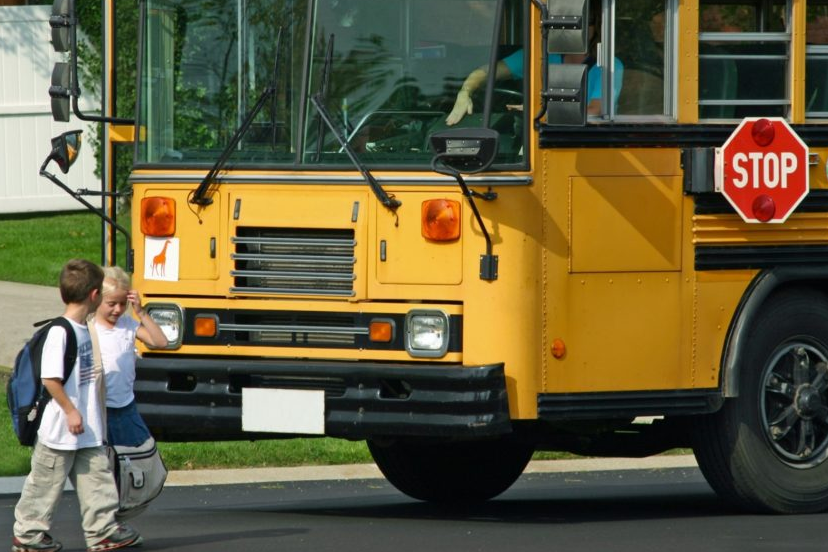
It’s back to school time. We’re sharing the road with children. They’re walking to school, riding bikes or riding in yellow school buses. Children have reduced standards of care. They are only expected to act as safely as children of the same age, education and experience. That’s the law.

Adult drivers must obey signage and roadway markings for school zones. 20 MPH is the limit. Go more slowly if the circumstances require it. Children can “dart out” in the road at any given moment.

Yellow school buses have specific rights to stop, pick up children and to unload children. While stopped, school buses have special marker lights that you must obey. DO NOT pass a yellow school bus that is stopped dropping off children, it is a serious traffic violation. There are important rules and tips that we can all follow to ensure safety on the road for young commuters.

According to the National Safety Council, most of the children who lose their lives in bus related incidents are 4-7 years old and they’re walking to or from their bus. In 2020, 54 people were killed and 4,800 were injured in school-bus related crashes.

A motorist illegally passing a stopped school bus is subject to a very heavy criminal charge. Never pass a bus from either direction if it is stopped to load or unload children. Remember that the area 10 feet around a school bus is the most dangerous for children. Give children enough space to safely enter and exit the bus and always be cautious of children around you, as they are often unpredictable and tend to ignore hazards.

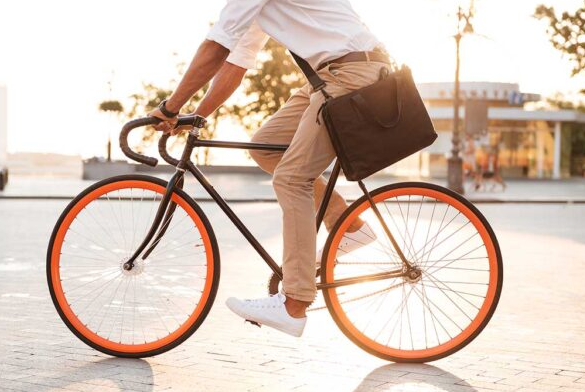
Bicyclists have the same rights and responsibilities as vehicles on the road, but young cyclists require extra space and attention. Be mindful that children sharing the road with motorists are not able to properly determine traffic conditions as well as an adult can. Young cyclists are more likely to turn in front of you without looking or signaling. Remember to be extra vigilant in school zones and residential neighborhoods.

If you’re dropping children off at school, please remember the following:

  • Educate yourself on the school’s drop-off procedures for the school year.
  • DO NOT load or unload children across the street from the school.
  • Don’t double park, as it could block visibility for other children and vehicles.
  • Carpooling reduces the number of vehicles on the road and at the school.

6 Tips for a Safer Bike Commute

Commuting by bike on urban streets is much different than a casual ride on a bike path. It is inherently more dangerous, things are moving a lot faster, there is more commotion, and it’s a lot louder. Being a confident and safe bike commuter requires preparation, some knowledge, a little practice and a few pieces of safety gear.

Before hitting the city roads on your bike, make sure to evaluate your comfort and only do as much as you’re comfortable with. Whether you’re new to bike commuting or not, here are some city-riding rules to keep in mind to help keep you safe:

“Hold Your Line” (aka Ride Straight, Stay in Your Lane, and Be Predictable)

Holding your line isn’t a term just for group rides and racing; this rule is one of the most important things you can do on a commute to help keep you safe out on the road too. Looking straight ahead and keeping your eyes where you want to go, instead of down at your wheel for example, helps you ride straight and predictably. Following this rule increases your ability to avoid and navigate potential obstacles in your path and avert any abrupt swerves, stops or illegal movements that can endanger you and others around you. 

If you’re riding with or near other cyclists, maintain a safe distance to avoid overlapping your front wheel with the rear wheel of another bike. If the cyclist you’re “half-wheeling” makes a sudden move, it could cause both of you to go down. 

Going hand in hand with riding as predictably as possible is communicating to cars, pedestrians and other cyclists around you. Always use hand signals when you need to turn, stop and slow suddenly.

Plan Your Route

Chances are you are already familiar with how to get from point A to point B by car. But keep in mind, what may feel easy or comfortable in a car may not be so fun on a bicycle so it’s important to plan your bike route before heading out. For safety and comfort, off-street bike paths and protected bike lanes should always be your first choice. If these are not an option, plan your bike route on well-used bike lanes on lesser-trafficked streets, or quiet back streets where speed limits are lower. If you are planning on commuting to work, it is a good idea to test your route on a day off so you can time it.

Honor The Rules of The Road

Colorado law defines bicycles as vehicles. This means that in addition to a specific set of bicycling laws, many of the same legal rights and duties that apply to motorists also apply to cyclists. If you’re on a street without a designated bike lane, for example, you are allowed to use the same lane as other motorists and you are allowed to take up as much space as a normal automobile would. In these cases, make sure to leave as much space between you and the car in front you to avoid other drivers from trying to squeeze in too closely. If you’re honked at, maintain composure and don’t feel pressured.

Sidewalks are intended for pedestrians, not vehicles. Because bicycles are considered vehicles in Colorado, bicyclists are prohibited (with a few exceptions) from using sidewalks. Biking on the sidewalk is allowed if the sidewalk is part of a designated bike route, if a bicyclist is delivering a paper, or when a bicyclist is within one block of preparing to mount/dismount. The speed limit for a cyclist riding on a sidewalk is 6 MPH.

Following the rules not only keeps you and others safe, but also makes you a good champion and advocate for the biking community as well.

Use the Turning Lane or Make a Box Turn

Although it may feel uncomfortable, if there is no bike infrastructure to maneuver otherwise, use the same lane as other motorists to turn left at an intersection. Remember to use your hand signals to make other drivers aware of your intentions.  

If there are too many lanes to cross, the roads are busy, you’re nervous or if you’re unable to use the intersection for other reasons, use a box turn. A box turn is a maneuver when you proceed a small distance through an intersection on the right as you normally would, then stop at the far corner of the perpendicular street where you intended to turn left, wait for the traffic signal then ride with that flow of traffic.

Ride Defensively

Although cyclists have an equal right to use the public roadways, they are often bullied and subject to impatient drivers. Cyclists are far more likely to suffer severe or even fatal injuries because there are little to no structural elements that protect them from harm, making it even more important to ride defensively. Be aware of your surroundings and never assume drivers see you. Wear reflective gear, bright colors and use lights to increase your visibility. And always wear a helmet. 

Look Out for Road Hazards & Obstacles

Cyclists are very susceptible to road hazards such as potholes, debris, loose rocks, and gravel. While riding, always keep an eye out for any obstacles in the road. 

Do your best to avoid potholes as they can often lead to flat tires and crashes. Take corners carefully as well – city street corners tend to accumulate gravel which can cause you to slip out if you turn hard or at a high speed.

Road hazards become even more dangerous with poor weather conditions. Avoid puddles, as you don’t know what is underneath, as well as manhole covers, light rail tracks, roadwork plates. Because they are metal, they can become very slick in the rain or snow. Turning or riding on or over them can be very dangerous. 

Finally, watch out for people. Pedestrians, often distracted by cell phones, step into bike lanes or crosswalks and jaywalk when there’s a gap in traffic. If the weather is bad, use extra precaution as pedestrians tend to take longer crossing the street and umbrellas can block a person’s line of sight. And depending on the time of day, be cognizant of the glare from the sun and use caution when riding near bars as alcohol impairment can compromise judgement.

Denver Bicycle Accident Attorneys

As avid riders ourselves, we have a close understanding of the rules and dynamics of bicycling, both on the road and on a trail. We also know that even the most experienced cyclists are not devoid of risks and dangers.

If you or a loved one were seriously injured in a bicycle accident or have questions about an incident you were involved with, please call us. We have extensive experience in bicycle cases an

Skiing or Snowboarding Accident: What You Need to Know

following, you may not know what to do. Because of the stressful nature of a skiing accident, it’s important to know the facts, and to know what to do if you are involved in a collision.

Ski Accident Statistics

During the 2019-2020 season, 51 million total skiers and snowboarders hit the slopes according to the National Ski Areas Association (NSAA). The NSAA also reports that there were 29 catastrophic injuries and 42 fatalities in the United States during the 2019-2020 winter ski season. This translates to a fatality rate of less than one death per 1 million skier visits (SV), or 0.81 fatalities per 1 million sv.

In Colorado, the ordinary rate of ski accidents requiring at least minimal care is about 2.5 per 1,000 skier visits. Serious injuries requiring at least an emergency room visit are about 1 per 1,000sv and critical care and deaths are about .25/1,000sv. So on a typical day at Telluride, for example, if there are a total of 1,000 guests ski patrol can expect to record 2-3 accidents.

While catastrophic or fatal injuries are uncommon, skiing accidents or collisions are not. And even though lower ability and less experienced skiers are injured about 4x the rate of advanced recreational skiers and snowboarders, avid skiers and boarders are not free from the inherent dangers of the sport. 

Colorado Ski Law

Under the Colorado Ski Safety Act, established in 1979 by the Colorado state legislature, every skier and snowboarder who hits the slopes in Colorado assumes the risk of any injury resulting from any of the inherent dangers and risks of skiing. The law also states each skier has its own legal responsibilities, including knowing the range of his or her own ability and to ski within the limits of such ability. In addition, each skier has the duty to maintain control of his speed and course at all times when skiing and to maintain a proper lookout to be able to avoid other skiers and objects.

Except when extraordinary circumstances are involved, a suit for a Colorado ski accident must be filed within two years of the accident. However, we strongly encourage victims of a ski accident to act promptly because many ski area employees are seasonal and are not U.S. citizens. The earlier our ski injury lawyers can secure all the relevant evidence and testimony, the stronger your case becomes.

What is a ski collision case?

Skiing is not a contact sport and being blindsided by another skier or snowboarder is not an inherent risk under either Colorado or Utah law. Colorado law presumes that the uphill skier or boarder is at fault in a skiing accident, because the overtaking skier has the primary duty to avoid the skier below. In Utah, skiers are required to exercise “reasonable care” to avoid collisions. Usually, this also means the uphill skier must yield to skiers below.

Thus, one of the key issues in any skier/skier case is who was the uphill or overtaking skier. The nature of the injury often gives substantial clues as to how the ski accident occurred, the speed at which the skiers were skiing, and the relative angles to each other.

All skiers are under a general duty to ski cautiously, within their ability and to maintain control and a proper lookout. If a skier fails to ski in control or to maintain a lookout, the skier is negligent and responsible for the injuries and damages that result from the collision

What should I do if i was injured in a skiing accident?

Even though most take their duties seriously, reckless and negligent behavior of other skiers and snowboarders is still very common and a major cause of accidents on the mountain. Use the following steps as a guide on what to do after a skiing or snowboarding collision, and contact us if you or anyone you know need advisement on the proper steps to take following an accident.

1. Alert Approaching Skiers

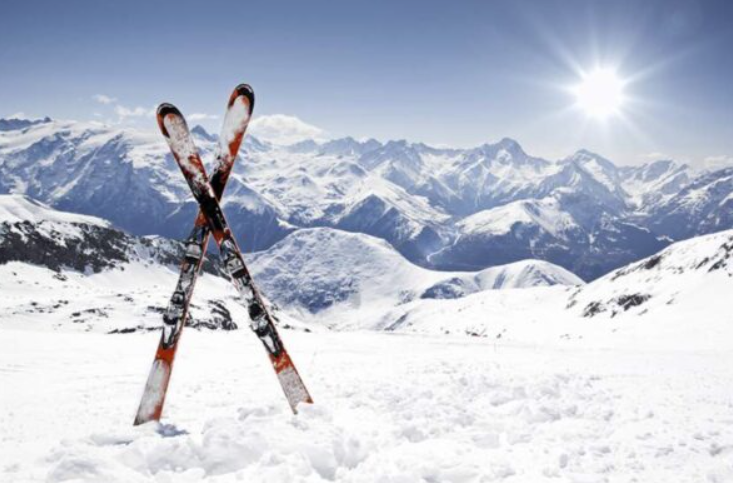
Ask someone to plant skis in an X uphill of the collision. This is a widely recognized signal both to uphill skiers and snowboarders and to patrol that there is an injured skier below.

2. Check for Injuries and Call Ski Patrol

If you think you may be injured, call ski patrol. It is better to have help and not need it than try to ski or ride down the mountain and potentially worsen any injuries. See below for a list of emergency numbers for Colorado ski resorts.

Some resorts also offer apps that will allow you to contact ski patrol at the click of a button. For Vail Resort mountains (Vail, Beaver Creek, Breckenridge, Keystone and Crested Butte), use the EpicMix app. There is a ski patrol red cross logo in the upper right corner where you can select the resort where you are skiing or riding. The Aspen Snowmass app (Aspen, Aspen Highlands, Buttermilk and Snowmass) also has a feature that allows you to click on the mountain where you are skiing or riding and place an emergency call immediately.

3. Exchange Information with the Other Party

The Ski Safety Act requires skiers and snowboarders involved in a collision to exchange information. Leaving the scene of a collision is a criminal offense.

4. Document and Gather Evidence

If you can, take photos of the area of the collision. Or have a friend you are skiing with do it for you.

5. Get witness information

Ski patrol typically will not get witness contact information or statements. If someone stops to help or says they saw the collision, thank them and take their name and phone number.

6. Call an Attorney with Experience in Skier Collision Cases

The law firm of Chalat Hatten & Banker handles more skier collision cases than any plaintiff’s firm in the country. Experience matters, and we can help. Call our ski and snowboard accident attorneys at (303) 861-1042 for a 100% free case evaluation.

Halloween Safety: Tips to Keep Your Kids Safe While Trick-or-Treating This Year

It’s almost Halloween, and the nation just received the green light from the CDC to celebrate and enjoy Halloween and trick-or-treating this year (with precautions, of course).

Exciting news for kids and adults alike, as this spooky holiday can be one of the most anticipated nights of the year. Particularly after more than 18 months under the dark cloud of the coronavirus pandemic, children may have heightened excitement this year for dressing up as their favorite character and going door to door trick-or-treating with friends, family, and neighbors, while others may be looking ‘extra’ forward to more big kid activities such as visiting haunted houses or attending Halloween parties.

The fright night element of Halloween is the fun part. But there are some genuine safety concerns that people of all ages should keep in mind. While most of us are focused on how to keep ourselves and each other safe from COVID-19 this year, don’t forget about the biggest threat on October 31: traffic.

A day when millions of additional pedestrians, mostly children, take to the streets to enjoy the fall festivity, it comes as no surprise that the National Highway Traffic Safety Administration (NHSTA) reports Halloween as one of the top three days for pedestrian injuries and fatalities.

Take a look at some of these other startling statistics:

  • According to the Washington Post, children are more than two times more likely to be struck and killed by a car on Halloween than any other day of the year.
  • A study released by JAMA Pediatrics found that the 6:00-7:00 p.m. hour — a confluence of rush hour and sunset in many parts of the country — was the deadliest time for trick-or-treaters.
  • Unsupervised kids ages 12-15 are at greater risk, followed by children ages 5-8.
  • In 2017, AAA and the NHSTA reported more than half of pedestrian fatalities on Halloween occurred with the pedestrian outside of a marked crosswalk.

Some of the factors that ultimately lead to Halloween pedestrian accidents include:

  • The commencement of trick-or-treating at dusk, which historically is the most dangerous time of day for pedestrians;
  • Dark costumes make it difficult for drivers to easily spot children at night;
  • Costume masks can restrict peripheral vision and limit visibility;
  • Street-crossing safety is often neglected;
  • Drunk driving

How to Keep Children Safe This Halloween

While the likelihood of a child being struck or killed by a car on Halloween is still extremely low, given the hundreds of millions of trick-or-treaters who fill the streets on Oct. 31, staying safe this Halloween means being aware of the potential dangers and taking the precautions necessary to protect yourself, as well as those you love.

To guard against a Halloween nightmare, follow some simple precautions:

before the big night:

  • Make sure all costumes, wigs and accessories are fire-resistant;
  • Prioritize costumes light in color to improve visibility;
  • Avoid masks, which can obstruct vision;
  • Adhere reflective tape to costumes and candy bags, and consider giving children glow sticks;
  • When buying Halloween makeup, make sure it is nontoxic and always test it in a small area first;
  • Review trick-or-treating safety precautions, including pedestrian and traffic safety rules;
  • Teach your children to stop only at well-lit houses and to never to enter a stranger’s home, garage or car;
  • If your older children are going alone, plan and review a route acceptable to you and instruct children to travel only along established routes.

Walking the neighborhood on halloween:

  • A responsible adult should accompany young children on the neighborhood rounds;
  • Review the plans established;
  • Agree on a specific time for children to return home;
  • Warn children to be careful around jack-o-lanterns with lit candles;
  • Instruct children to travel only in familiar, well-lit areas and stick with their friends;
  • Cross the street at corners, using traffic signals and crosswalks. Listen for traffic before crossing the street. Look left, right and left again when crossing and keep looking as you cross; 
  • Teach children to make eye contact with drivers before crossing in front of them;
  • Walk, don’t run, across the street;
  • Always walk on sidewalks or paths. If there are no sidewalks, walk facing traffic as far to the left as possible; 
  • Watch for cars that are turning or backing up from driveways or alleys;
  • Teach children to never cross between parked cars

And for trick-or-treaters and parents alike, put electronic devices down and keep heads up!

pedestrian accident lawyers

Chalat Hatten & Banker, PC has recovered millions of dollars in car accident and pedestrian injury cases on behalf of our clients. Our Colorado pedestrian accident attorneys can help you. Call us at 720-790-4177 to discuss your injury with a member of our legal team. Or use our contact form to schedule a free injury consultation today.