
Uninsured Motorist Claims After a Colorado Crash

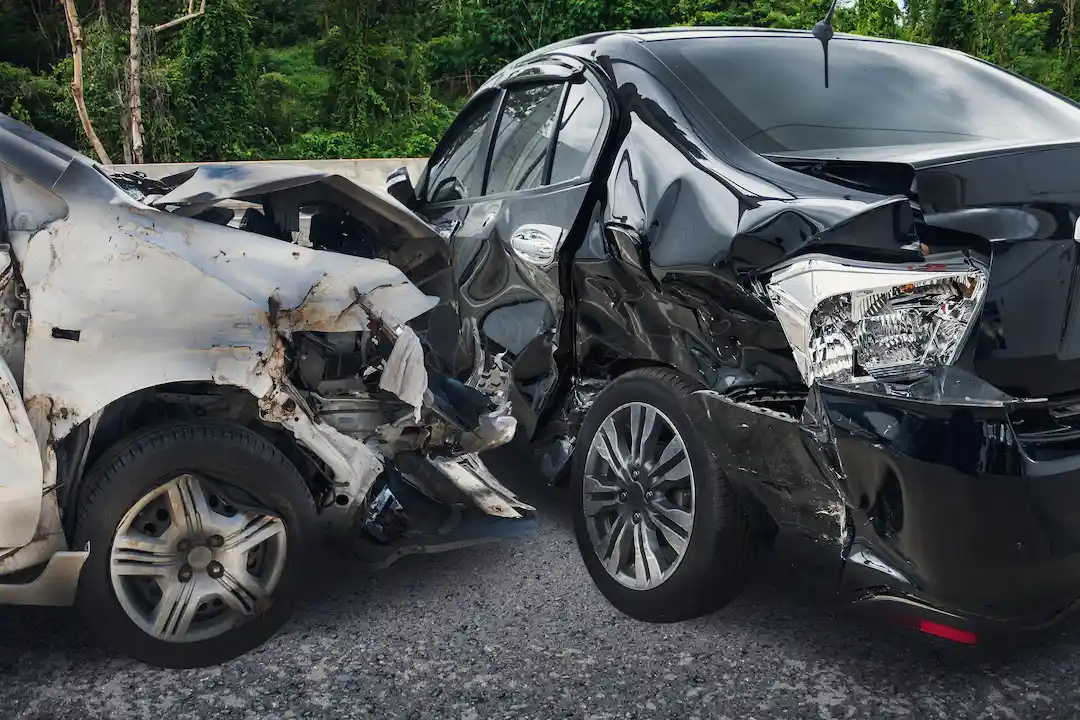
Colorado law requires every driver to carry liability insurance, yet a significant share of drivers on our roads carry none at all. Others carry only the state minimum, which is rarely enough to cover serious injuries. When one of these drivers hits you, the path to compensation runs through your own insurance policy, specifically your uninsured and underinsured motorist coverage. Understanding how that coverage works, and how to use it, can make the difference between full recovery and paying for someone else’s negligence out of your own pocket.
Understanding UM and UIM Coverage
Uninsured motorist (UM) coverage pays for your bodily injury losses when the at-fault driver has no insurance. Underinsured motorist (UIM) coverage applies when the at-fault driver has insurance, but not enough to cover your damages. In Colorado, both are part of the same coverage, and it compensates you for medical expenses, lost wages, pain and suffering, and other losses you were legally entitled to recover from the at-fault driver.
Under C.R.S. 10-4-609, Colorado insurers must offer you UM/UIM coverage in an amount equal to your bodily injury liability limits before issuing or renewing a policy. You can reject the coverage, but only in writing. Colorado law is also favorable to injured drivers in an important way: your UM/UIM coverage cannot be reduced by setoffs from other coverage. It applies on top of whatever the at-fault driver’s insurance pays, up to your policy limits.
UM coverage also protects you in situations where the at-fault driver cannot be identified or located, which is common in hit-and-run crashes. If you have been hit by a driver with no insurance, our page on help for uninsured motorist claims explains how we approach these cases and what your own policy may owe you.
Steps to Take After a Crash
What you do in the hours and days after a crash with an uninsured driver directly affects the strength of your claim. Follow these steps.
Call 911 and Report the Accident
Always involve law enforcement when the other driver is uninsured or flees the scene. The police report documents the crash, identifies the parties, and records whether the other driver produced proof of insurance. That official record becomes critical evidence when you file a UM claim, because your own insurer will scrutinize the claim just as an opposing carrier would. If the driver fled, report it immediately. Prompt reporting is often a condition of hit-and-run coverage under your policy.
Collect Evidence and Seek Medical Help
If you are physically able, photograph the vehicles, the scene, road conditions, and your visible injuries. Get contact information for witnesses. Then get medical attention promptly, even if you feel mostly fine. Some injuries take days to surface, and gaps between the crash and your first medical visit give insurers room to argue your injuries came from something else. Note that drivers who flee are treated as uninsured for coverage purposes, so the same UM claim process applies to hit-and-run accidents where the driver is never found.
Notify Your Insurer and File a Claim
Report the crash to your own insurance company as soon as possible. Most policies require prompt notice, and delays can complicate or jeopardize coverage. When you file the UM/UIM claim, provide the police report, medical records, and documentation of your losses. Remember that even though this is your own insurer, the claim is adversarial in nature. The company’s interests and yours are not aligned, and adjusters evaluate UM claims with the same skepticism they apply to third-party claims. Be factual, be brief, and avoid giving recorded statements before you understand your rights.
Colorado Laws and Deadlines
Colorado gives you three years from the date of a motor vehicle accident to file a lawsuit for your injuries. UM/UIM claims, which are based on your insurance contract, generally carry their own three-year deadline, and Colorado law provides additional time in some underinsured motorist situations where you first resolve the claim against the at-fault driver. These timelines interact in ways that are easy to get wrong, and your policy may impose separate notice and cooperation requirements that arrive much sooner than any statute of limitations.
Colorado’s minimum liability limits are $25,000 per person and $50,000 per accident for bodily injury. If your injuries are serious, those minimums disappear quickly, which is exactly when UIM coverage matters. Reviewing your own policy now, before you ever need it, is one of the most valuable things any Colorado driver can do.
Seeking Legal Help
UM/UIM claims look simple on the surface, but they routinely involve disputes over coverage, lowball valuations, and insurers that treat their own policyholders like adversaries. Colorado law allows claims for unreasonable delay or denial of benefits, and insurers know that injured people represented by counsel recover more. An attorney can identify every available policy, manage the deadlines, document your damages fully, and negotiate from a position of strength.
If an uninsured or underinsured driver injured you or a family member, do not assume your own insurance company will simply do the right thing. Talk to a Denver car accident attorney who handles UM/UIM disputes regularly. A consultation costs nothing, and knowing the full value of your claim before you accept any offer protects you from settling for less than your coverage was designed to provide.