
Motorcycle Safety Gear And Injury Prevention

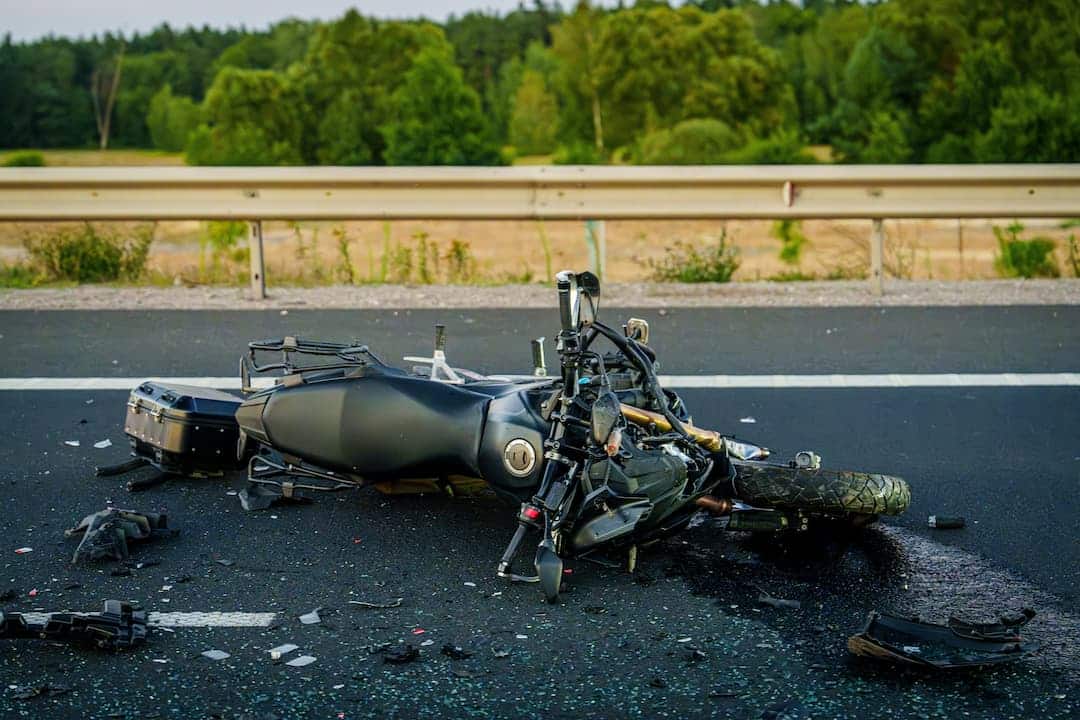
Motorcycle riding comes with a level of exposure that drivers in passenger vehicles simply do not face. There is no steel frame, airbag system, or seatbelt to absorb the force of a crash. When a rider is hit, thrown from a bike, or forced to lay a motorcycle down, the injuries can be severe even at relatively low speeds.
That is why motorcycle safety gear matters. The right helmet, jacket, gloves, boots, and visibility equipment can reduce the risk of serious injury and may also become important evidence if a crash leads to a personal injury claim.
Colorado riders should understand both the safety side and the legal side of protective gear. While adults are not required to wear motorcycle helmets in Colorado, Colorado State Patrol notes that riders and passengers under 18 must wear helmets, and all riders and passengers are required to use eye protection.
Why Motorcycle Safety Matters
Motorcyclists are more vulnerable because they are less protected from direct impact. A crash may involve contact with another vehicle, the pavement, roadside barriers, debris, or fixed objects. Common motorcycle crash injuries can include:
- Traumatic brain injuries
- Spinal cord injuries
- Broken bones
- Road rash and deep abrasions
- Internal injuries
- Facial injuries
- Hand, wrist, ankle, and foot injuries
- Shoulder, hip, and knee injuries
Protective gear cannot prevent every injury, but it can reduce the severity of certain injuries and help protect the parts of the body most likely to contact the road.
From a personal injury perspective, safety gear can also matter after a crash. Insurance companies may examine what the rider was wearing, the condition of the gear, the type of impact, and whether the claimed injuries match the crash evidence. Keeping damaged gear after an accident can help preserve part of the story of what happened.
Essential Protective Gear
Motorcycle safety gear should protect against impact, abrasion, weather, and visibility risks. Colorado riders also face unique conditions, including rapid weather changes, mountain roads, high-altitude sun exposure, loose gravel, and heavy traffic in metro areas.
Helmets And Head Protection
A helmet is one of the most important pieces of motorcycle safety gear a rider can wear. Even though Colorado does not require adult riders to wear helmets, Colorado State Patrol encourages riders to choose a USDOT-approved helmet.
A good motorcycle helmet should fit snugly, meet recognized safety standards, and be replaced after a significant crash. Riders should also avoid using old, damaged, or poorly fitted helmets, as they may not provide reliable protection during impact.
Helmets may also help reduce facial injuries, skull fractures, and traumatic brain injuries. In a personal injury case, the helmet itself can sometimes become important evidence. Cracks, scrapes, dents, and impact marks may help show the direction and severity of the collision.
Jackets, Gloves And Boots
A standard sweatshirt, jeans, or casual shoes may feel comfortable on a short ride, but they offer limited protection in a crash. Motorcycle-specific protective clothing is designed to reduce abrasion injuries and protect joints during impact.
A proper riding jacket may include reinforced material and armor at the shoulders, elbows, and back. Gloves can help protect the hands and wrists, which are often injured when a rider tries to brace during a fall. Boots can reduce the risk of foot, ankle, and lower-leg injuries, especially when a motorcycle lands on or pins the rider.
For Colorado riders, weather protection also matters. Sudden rain, cold mountain air, wind, and intense sun can all affect comfort and reaction time. Gear that keeps a rider dry, visible, and mobile can make a meaningful difference during longer rides.
Visibility And Safe Riding Practices
Many motorcycle crashes happen because a driver fails to see the rider or misjudges the motorcycle’s speed and distance. Visibility is not just about wearing bright colors. It also includes lane positioning, lighting, following distance, and predictable riding behavior.
Helpful visibility and safety practices include:
- Wearing reflective or high-contrast gear
- Using headlights during daytime rides
- Avoiding blind spots
- Creating space at intersections
- Using turn signals early
- Watching for left-turning vehicles
- Keeping a safe following distance
- Adjusting speed for gravel, rain, curves, and traffic
- Avoiding aggressive lane changes
- Staying alert around distracted drivers
Colorado’s eye protection requirement is also important for safety. State Patrol explains that riders and passengers must use eye protection, and that a windshield alone is not considered adequate eye protection. Eye protection helps guard against wind, dust, insects, debris, and sudden visibility issues that can affect control of the motorcycle.
What To Do After A Motorcycle Crash
After a motorcycle crash, safety and medical care should come first. Even if injuries are not immediately obvious, riders should be cautious. Adrenaline can mask pain, and injuries involving the head, neck, back, joints, or internal organs may become more noticeable over time.
After a crash, injured riders should consider taking the following steps when possible:
- Call 911 and report the crash
- Seek medical attention
- Take photos of the vehicles, motorcycle, roadway, debris, skid marks, and visible injuries
- Get the other driver’s license, insurance, and vehicle information
- Collect witness names and contact information
- Keep damaged gear, including helmet, jacket, gloves, boots, and clothing
- Avoid making detailed statements to insurance companies before understanding your rights
- Follow all medical treatment recommendations
- Keep records of medical bills, missed work, and ongoing symptoms
Motorcycle crashes can involve many of the same legal and insurance issues as other vehicle collisions, including fault disputes, medical documentation, and questions about whether injuries were caused by the crash. Riders involved in rear-end collisions, for example, may benefit from reviewing general rear-end accident guidance to better understand why medical care, evidence, and legal guidance can matter after a collision.
Real cases can also help show how serious motorcycle injuries may lead to significant claims. This Denver motorcycle accident case study provides an example of how injuries, liability, and damages may be evaluated after a crash.
Protecting Yourself Before And After A Ride
Motorcycle safety gear is not just about following rules. It is about reducing the risk of life-changing injuries and protecting yourself if another driver’s carelessness causes a crash.
The right helmet, eye protection, jacket, gloves, boots, and visibility habits can all make a difference. So can knowing what to do after a collision, preserving evidence, and getting medical care as soon as possible.
If you were injured in a motorcycle crash in Colorado, the Colorado motorcycle accident attorneys at Chalat Law can help you understand your options and the evidence that may support your claim.