PTSD And Emotional Trauma After An Accident

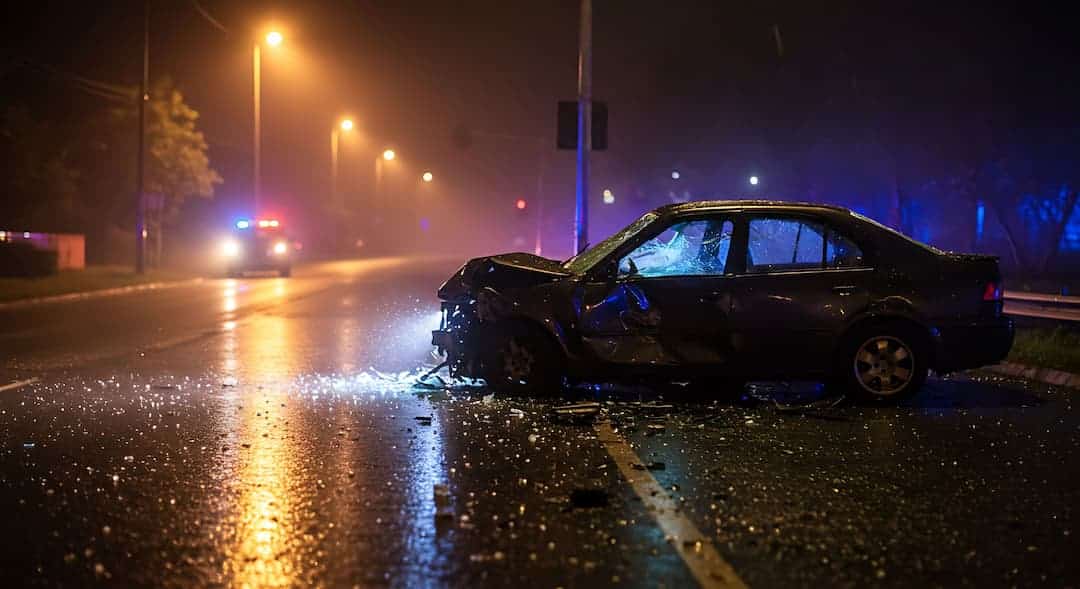
The impact of an accident is not always limited to physical injuries. After a serious crash, fall, or traumatic incident, many people continue to experience fear, anxiety, sleep disruption, flashbacks, and emotional distress long after the scene has been cleared.

These symptoms can affect work, relationships, driving, daily routines, and overall quality of life. In some cases, emotional trauma may develop into post-traumatic stress disorder, commonly known as PTSD.

From a personal injury perspective, emotional trauma matters. If another person’s negligence caused the accident, the psychological effects of the crash may be part of the damages in a legal claim. Like physical injuries, emotional injuries need to be documented, treated, and connected to the accident.

Understanding PTSD After A Crash

PTSD is a mental health condition that can occur after someone experiences or witnesses a traumatic event. Serious accidents, violent crashes, life-threatening injuries, and the loss of a loved one can all create the type of trauma that leads to ongoing psychological symptoms.

The National Institute of Mental Health explains that people with PTSD may continue to feel stressed or frightened even when they are no longer in danger. Symptoms can interfere with work, relationships, sleep, and normal daily life.

After an accident, PTSD may be tied to the crash itself, the fear of dying, the pain of the injuries, the sight of another person being injured, or the stress of medical treatment and recovery. For some people, the emotional impact is immediate. For others, symptoms develop gradually as they try to return to driving, working, or living normally.

In severe crashes, emotional trauma may also affect surviving family members. When an accident results in a fatality, families may have questions about grief, trauma, financial loss, and potential wrongful death claims.

Risk Factors And Symptoms

Not everyone responds to trauma the same way. Two people may experience the same crash and have very different emotional recoveries. That does not make one person’s symptoms less real. PTSD and emotional trauma can depend on the severity of the event, the person’s prior experiences, the support they receive afterward, and the lasting effects of their injuries.

Who Is At Risk?

A person may be more likely to experience PTSD or emotional trauma after an accident if they:

  • Believed they were going to die during the crash
  • Suffered serious or painful injuries
  • Witnessed another person being seriously injured or killed
  • Lost a loved one in the accident
  • Had a prior history of trauma, anxiety, or depression
  • Was trapped, pinned, or unable to escape after the collision
  • Required emergency surgery or a long recovery
  • Became unable to work, drive, or care for themselves as before
  • Felt blamed, dismissed, or pressured by an insurance company after the accident

These factors may also matter in a personal injury claim. They can help explain why the accident caused more than temporary stress and why the emotional effects should be taken seriously.

Common PTSD Symptoms

PTSD symptoms can look different from person to person. Common signs may include:

  • Flashbacks or intrusive memories of the accident
  • Nightmares or disrupted sleep
  • Panic when driving or riding in a vehicle
  • Avoiding the crash location
  • Avoiding medical appointments or conversations about the accident
  • Feeling constantly on edge
  • Irritability or anger
  • Trouble concentrating
  • Depression or emotional numbness
  • Guilt, shame, or fear
  • Loss of interest in normal activities
  • Physical symptoms such as nausea, shaking, sweating, or rapid heartbeat when reminded of the crash

The Mayo Clinic notes that PTSD symptoms may include flashbacks, nightmares, severe anxiety, and uncontrollable thoughts about the traumatic event.

For a legal claim, symptoms alone are often not enough. Medical documentation, therapy records, diagnosis notes, prescriptions, and testimony from mental health professionals can help show how the accident affected the injured person’s life.

Treatment Options And Recovery

Emotional trauma after an accident should be treated with the same seriousness as a physical injury. Waiting too long to seek help can make recovery harder and may also create gaps in documentation if a legal claim is involved.

Treatment options may include:

  • Trauma-focused therapy
  • Cognitive behavioral therapy
  • EMDR therapy
  • Medication for anxiety, depression, or sleep issues
  • Support groups
  • Regular follow-up with a primary care doctor
  • Gradual return-to-driving strategies
  • Stress management and sleep support
  • Psychiatric evaluation when symptoms are severe

The VA’s National Center for PTSD notes that effective treatments are available for PTSD, including therapy options designed to help people process traumatic memories and reduce symptoms.

From a personal injury standpoint, treatment records can be important evidence. They help show when symptoms began, how severe they were, what care was recommended, and how the trauma affected the person’s daily life. This documentation may be especially important when an insurance company argues that emotional distress is exaggerated, unrelated, or not serious enough to compensate.

Accident victims should also be careful when speaking with insurers. Statements made early in the process can be used later, especially if someone says they are “fine” before the full emotional and physical effects are known. Reviewing what to say to insurance after a crash can help avoid mistakes that may harm a claim.

Legal Help For Emotional Damages

In a Colorado personal injury case, emotional trauma may be part of the damages caused by an accident. These damages may include pain and suffering, emotional distress, anxiety, PTSD, loss of enjoyment of life, and reduced quality of life.

Colorado law recognizes noneconomic losses, which include nonpecuniary harm such as pain and suffering, inconvenience, emotional stress, and impairment of quality of life.

Proving emotional damages usually requires more than simply stating that the accident was traumatic. Helpful evidence may include:

  • Mental health treatment records
  • PTSD or anxiety diagnoses
  • Medication records
  • Primary care notes
  • Statements from family members or close friends
  • Work records showing missed time or reduced performance
  • Journals documenting symptoms and limitations
  • Expert testimony
  • Evidence of how the trauma changed daily activities

A car accident attorney can help connect emotional injuries to the accident, gather supporting documentation, and respond to insurance company attempts to minimize psychological harm.

This is especially important when emotional trauma overlaps with physical injuries. For example, a person recovering from broken bones, surgery, chronic pain, or permanent limitations may also experience anxiety, depression, or PTSD because of the crash and its aftermath.

Taking Emotional Trauma Seriously After An Accident

PTSD and emotional trauma after an accident are real injuries. They can affect how a person sleeps, works, drives, communicates, and feels safe in everyday life.

If you are experiencing emotional symptoms after a crash, consider seeking medical or mental health care as soon as possible. Treatment can support your recovery and create important documentation if you later need to bring a personal injury claim.

When another person’s negligence causes a traumatic accident, the emotional impact should not be ignored. A personal injury claim should reflect the full harm caused, including both the visible injuries and the psychological effects that may continue long after the accident.
Motorcycle Safety Gear And Injury Prevention

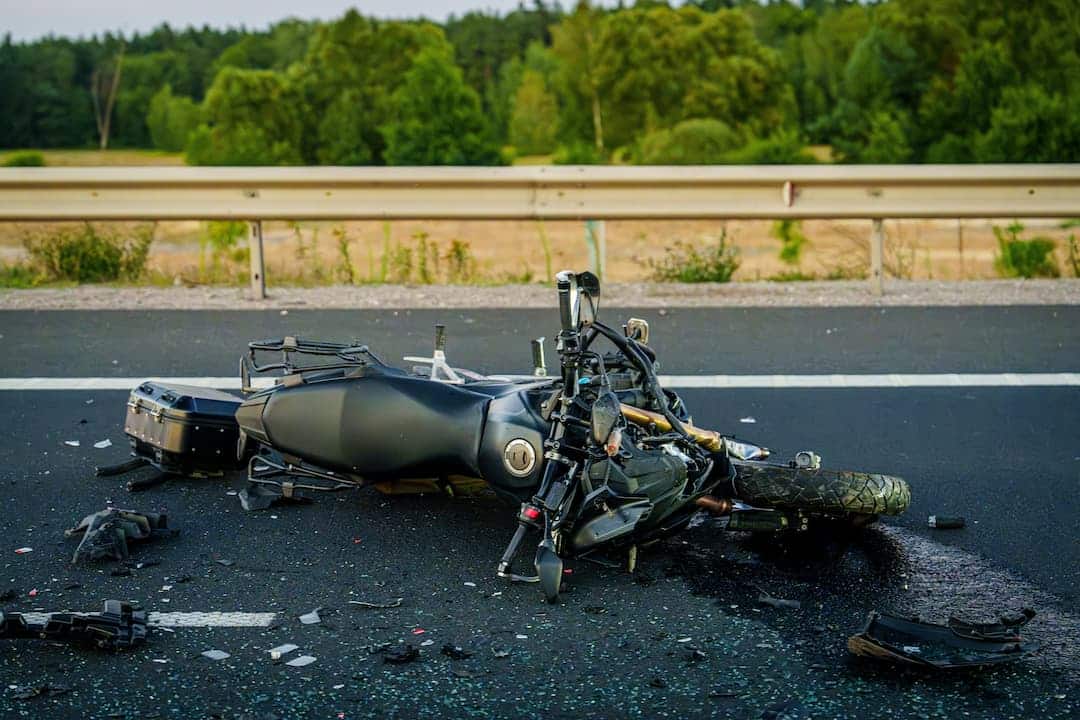
Motorcycle riding comes with a level of exposure that drivers in passenger vehicles simply do not face. There is no steel frame, airbag system, or seatbelt to absorb the force of a crash. When a rider is hit, thrown from a bike, or forced to lay a motorcycle down, the injuries can be severe even at relatively low speeds.

That is why motorcycle safety gear matters. The right helmet, jacket, gloves, boots, and visibility equipment can reduce the risk of serious injury and may also become important evidence if a crash leads to a personal injury claim.

Colorado riders should understand both the safety side and the legal side of protective gear. While adults are not required to wear motorcycle helmets in Colorado, Colorado State Patrol notes that riders and passengers under 18 must wear helmets, and all riders and passengers are required to use eye protection.

Why Motorcycle Safety Matters

Motorcyclists are more vulnerable because they are less protected from direct impact. A crash may involve contact with another vehicle, the pavement, roadside barriers, debris, or fixed objects. Common motorcycle crash injuries can include:

  • Traumatic brain injuries
  • Spinal cord injuries
  • Broken bones
  • Road rash and deep abrasions
  • Internal injuries
  • Facial injuries
  • Hand, wrist, ankle, and foot injuries
  • Shoulder, hip, and knee injuries

Protective gear cannot prevent every injury, but it can reduce the severity of certain injuries and help protect the parts of the body most likely to contact the road.

From a personal injury perspective, safety gear can also matter after a crash. Insurance companies may examine what the rider was wearing, the condition of the gear, the type of impact, and whether the claimed injuries match the crash evidence. Keeping damaged gear after an accident can help preserve part of the story of what happened.

Essential Protective Gear

Motorcycle safety gear should protect against impact, abrasion, weather, and visibility risks. Colorado riders also face unique conditions, including rapid weather changes, mountain roads, high-altitude sun exposure, loose gravel, and heavy traffic in metro areas.

Helmets And Head Protection

A helmet is one of the most important pieces of motorcycle safety gear a rider can wear. Even though Colorado does not require adult riders to wear helmets, Colorado State Patrol encourages riders to choose a USDOT-approved helmet.

A good motorcycle helmet should fit snugly, meet recognized safety standards, and be replaced after a significant crash. Riders should also avoid using old, damaged, or poorly fitted helmets, as they may not provide reliable protection during impact.

Helmets may also help reduce facial injuries, skull fractures, and traumatic brain injuries. In a personal injury case, the helmet itself can sometimes become important evidence. Cracks, scrapes, dents, and impact marks may help show the direction and severity of the collision.

Jackets, Gloves And Boots

A standard sweatshirt, jeans, or casual shoes may feel comfortable on a short ride, but they offer limited protection in a crash. Motorcycle-specific protective clothing is designed to reduce abrasion injuries and protect joints during impact.

A proper riding jacket may include reinforced material and armor at the shoulders, elbows, and back. Gloves can help protect the hands and wrists, which are often injured when a rider tries to brace during a fall. Boots can reduce the risk of foot, ankle, and lower-leg injuries, especially when a motorcycle lands on or pins the rider.

For Colorado riders, weather protection also matters. Sudden rain, cold mountain air, wind, and intense sun can all affect comfort and reaction time. Gear that keeps a rider dry, visible, and mobile can make a meaningful difference during longer rides.

Visibility And Safe Riding Practices

Many motorcycle crashes happen because a driver fails to see the rider or misjudges the motorcycle’s speed and distance. Visibility is not just about wearing bright colors. It also includes lane positioning, lighting, following distance, and predictable riding behavior.

Helpful visibility and safety practices include:

  • Wearing reflective or high-contrast gear
  • Using headlights during daytime rides
  • Avoiding blind spots
  • Creating space at intersections
  • Using turn signals early
  • Watching for left-turning vehicles
  • Keeping a safe following distance
  • Adjusting speed for gravel, rain, curves, and traffic
  • Avoiding aggressive lane changes
  • Staying alert around distracted drivers

Colorado’s eye protection requirement is also important for safety. State Patrol explains that riders and passengers must use eye protection, and that a windshield alone is not considered adequate eye protection. Eye protection helps guard against wind, dust, insects, debris, and sudden visibility issues that can affect control of the motorcycle.

What To Do After A Motorcycle Crash

After a motorcycle crash, safety and medical care should come first. Even if injuries are not immediately obvious, riders should be cautious. Adrenaline can mask pain, and injuries involving the head, neck, back, joints, or internal organs may become more noticeable over time.

After a crash, injured riders should consider taking the following steps when possible:

  • Call 911 and report the crash
  • Seek medical attention
  • Take photos of the vehicles, motorcycle, roadway, debris, skid marks, and visible injuries
  • Get the other driver’s license, insurance, and vehicle information
  • Collect witness names and contact information
  • Keep damaged gear, including helmet, jacket, gloves, boots, and clothing
  • Avoid making detailed statements to insurance companies before understanding your rights
  • Follow all medical treatment recommendations
  • Keep records of medical bills, missed work, and ongoing symptoms

Motorcycle crashes can involve many of the same legal and insurance issues as other vehicle collisions, including fault disputes, medical documentation, and questions about whether injuries were caused by the crash. Riders involved in rear-end collisions, for example, may benefit from reviewing general rear-end accident guidance to better understand why medical care, evidence, and legal guidance can matter after a collision.

Real cases can also help show how serious motorcycle injuries may lead to significant claims. This Denver motorcycle accident case study provides an example of how injuries, liability, and damages may be evaluated after a crash.

Protecting Yourself Before And After A Ride

Motorcycle safety gear is not just about following rules. It is about reducing the risk of life-changing injuries and protecting yourself if another driver’s carelessness causes a crash.

The right helmet, eye protection, jacket, gloves, boots, and visibility habits can all make a difference. So can knowing what to do after a collision, preserving evidence, and getting medical care as soon as possible.

If you were injured in a motorcycle crash in Colorado, the Colorado motorcycle accident attorneys at Chalat Law can help you understand your options and the evidence that may support your claim.

How To Prove Negligence In A Personal Injury Case

Most personal injury cases are built around one central question: did someone else’s carelessness cause your injury?

In legal terms, that question is usually answered through negligence. Negligence is more than a simple mistake. To bring a successful personal injury claim, you generally need to show that another person or party owed you a duty of care, failed to meet that duty, caused your injury, and left you with measurable damages.

That may sound straightforward, but proving negligence often requires detailed evidence, careful documentation, and a clear connection between the other party’s actions and the harm you suffered.

The Four Elements Of Negligence

To prove negligence in a personal injury case, you typically need to establish four elements: duty of care, breach of duty, causation, and damages. If one of these elements is missing, the claim may become much harder to prove.

Duty Of Care

Duty of care means the other party had a legal responsibility to act with reasonable caution under the circumstances.

In everyday life, people and businesses often owe others a duty to avoid creating unnecessary risks. Drivers must follow traffic laws and operate their vehicles safely. Property owners must take reasonable steps to keep their premises safe for lawful visitors. Businesses must avoid conduct that puts customers, workers, or the public in danger.

The exact duty depends on the situation. For example, the duty a driver owes on a public road is different from the duty a store owner owes to someone walking through an aisle. In both cases, however, the key question is whether the other party had a responsibility to act reasonably.

Breach Of Duty

A breach happens when someone fails to meet the duty of care they owed.

In a car crash, a breach could involve speeding, texting while driving, running a red light, following too closely, or failing to yield. In motor vehicle accident cases, proving breach often comes down to showing that the other driver did something a reasonably careful driver would not have done, or failed to do something a reasonably careful driver would have done.

Breach can also happen outside of traffic accidents. A property owner may breach their duty by ignoring a known hazard. A company may breach its duty by failing to follow safety procedures. A careless individual may breach their duty by acting in a way that creates a foreseeable risk of harm.

Causation: Cause-In-Fact And Proximate Cause

Causation connects the other party’s breach to your injury.

It is not enough to show that someone acted carelessly. You also need to show that their careless conduct caused the harm you suffered. Causation is often discussed in two parts: cause-in-fact and proximate cause.

Cause-in-fact asks whether the injury would have happened but for the other party’s conduct. For example, if a driver ran a red light and hit your vehicle, the question is whether your injuries would have occurred if that driver had stopped as required.

Proximate cause looks at whether the injury was a foreseeable result of the negligent conduct. If someone speeds through a busy intersection and causes a crash, it is foreseeable that another driver, passenger, pedestrian, or cyclist could be seriously hurt.

Causation can become more complicated when the injured person had a pre-existing condition, delayed medical treatment, or was involved in a crash with multiple contributing factors. This is one reason medical records, expert analysis, and a clear timeline are so important.

Damages

Damages are the losses you suffered because of the injury.

In a personal injury case, damages may include medical bills, future medical care, lost wages, reduced earning capacity, pain and suffering, emotional distress, physical impairment, property damage, and other losses tied to the accident.

You need evidence to support these losses. Medical records, treatment plans, wage documentation, repair estimates, photographs, and testimony can all help show the full impact of the injury.

A personal injury settlement calculator may help you better understand the types of compensation that can be considered, but every case is different. The value of a claim depends on the facts, the severity of the injury, the available evidence, insurance coverage, and how fault is assigned.

Gathering Evidence For Your Claim

Strong evidence is one of the most important parts of proving negligence.

After an accident, helpful evidence may include:

  • Photos and videos of the accident scene
  • Police or incident reports
  • Witness names and contact information
  • Insurance information
  • Medical records and bills
  • Vehicle damage or property damage documentation
  • Surveillance footage
  • Dash camera footage
  • Expert opinions
  • Records of missed work or reduced income
  • Notes about pain, symptoms, and daily limitations

In car accident cases, the information collected at the scene can be especially important. Knowing what information to exchange after a car accident can help protect your claim and prevent important details from being lost.

Evidence also helps protect you from unfair blame. Insurance companies may look for ways to argue that your injuries were not serious, that your damages are unrelated, or that you were partly responsible for what happened. The more organized and complete your evidence is, the easier it becomes to respond to those arguments.

Colorado’s Comparative Negligence Rule

Colorado follows a modified comparative negligence rule. This means fault can be divided between multiple parties, including the injured person.

If you are found partially responsible for the accident, your compensation may be reduced by your percentage of fault. For example, if your damages are valued at $100,000 and you are found 20% at fault, your recovery may be reduced by 20%.

The bigger issue is Colorado’s 50% bar rule. If you are found 50% or more at fault, you may be barred from recovering compensation. That makes fault disputes extremely important in Colorado personal injury cases.

Comparative negligence can come up in many situations. An insurance company may argue that a driver was speeding, that a pedestrian was distracted, that an injured person ignored a warning sign, or that the injury was partly caused by something unrelated to the accident. These arguments can directly affect the value of a claim.

Why Legal Representation Matters

Proving negligence is not just about telling your side of the story. It is about building a claim that is supported by evidence, law, and a clear explanation of how the injury happened.

An experienced personal injury attorney can help investigate the accident, preserve evidence, identify all potentially responsible parties, evaluate damages, work with experts when needed, and respond to insurance company arguments. Legal representation can be especially important when fault is disputed, injuries are serious, or the insurance company is trying to minimize the claim.

A personal injury case can become complex quickly. The right legal strategy can help connect the facts of the accident to the four elements of negligence and protect your ability to pursue fair compensation.

If you were injured because of someone else’s careless actions, our team can help you understand your options and what evidence may be needed to support your claim.

Can You Sue a Bar for Injury in Colorado?

Often times, when an individual is injured by a drunk driver, thoughts have to turn to how the at-fault driver got drunk, and whether they were over-served at a bar or at a party.

Although you can sue the driver, often their insurance is inadequate to compensate for the damages they caused.  The minimum liability insurance required in Colorado is only $25,000.  And quite frankly, we often correlate low insurance coverage with people who have a tendency to drive irresponsibly. 

Yes, in some situations, you may be able to sue a bar in Colorado after an injury. But these cases are not as simple as showing that alcohol was served and someone got hurt.

Colorado law places important limits on when a bar, tavern, nightclub, or restaurant can be held responsible for injuries tied to alcohol service. In some cases, the issue is over-serving a visibly intoxicated person or someone under 21. In others, the claim may involve unsafe property conditions, negligent security, or a failure to respond to known dangers on the premises. Colorado’s dram shop law is narrow, and claims based on the condition of the property are usually analyzed under the Colorado Premises Liability Act.

Bar’s Duty of Care to Patrons

Bars in Colorado do owe duties to the people who lawfully enter their property. That does not mean they are automatically liable every time a customer gets injured, but it does mean they may be responsible when unsafe conditions or preventable risks lead to harm.

Under the Colorado Premises Liability Act, a customer at a bar is generally treated as an invitee. That matters because invitees may recover damages caused by a landowner’s unreasonable failure to use reasonable care to protect against dangers the landowner actually knew about or should have known about. The statute also defines “landowner” broadly enough to include not only the titled owner, but also a person in possession of the property or someone legally responsible for its condition or activities there.

In a bar setting, that can include situations such as:

  • broken stairs or railings
  • wet floors or unmarked spills
  • poor lighting
  • overcrowded walkways
  • inadequate security
  • known patterns of fights or violent incidents
  • failure to remove dangerous patrons when risk is obvious
  •  over zealous bouncers or security employees

A bar injury case may turn on whether the business knew about the hazard, should have known about it, or failed to take reasonable steps to reduce the danger.

When a Bar Is Liable for Assault

A bar is not automatically responsible just because one customer assaults another. In many assault cases, the key question is whether the business failed to take reasonable action after warning signs appeared.

For example, liability may become an issue if staff ignored escalating aggression, allowed a visibly dangerous situation to continue, failed to call security or law enforcement when appropriate, or failed to address known conditions that made violence more likely. Colorado’s premises liability law allows injured invitees to pursue claims when the landowner failed to exercise reasonable care against dangers it knew about or should have known about.

That said, assault claims against bars are often heavily fact-dependent. A sudden, unforeseeable attack may be treated differently than a fight that built over time while staff watched it unfold. Evidence such as surveillance footage, witness statements, incident reports, prior complaints, and staffing records can make a major difference.

Understanding Colorado Dram Shop Law

Colorado’s dram shop law is more limited than many people expect. The statute says that common law claims against alcohol vendors are abolished except in specific circumstances set out by statute. In other words, a bar is not broadly liable every time an intoxicated person causes harm.

Under Colorado’s Dram Shop Act, codified at Colo. Rev. Stat. Ann. § 44-3-801 (formerly § 12-47-801), tavern owners and other licensed alcohol vendors face civil liability only in narrowly defined statutory circumstances. The Act abolished all common law causes of action against alcohol vendors, making liability entirely a creature of statute. A licensed tavern owner or operator is liable only when it is proven that the licensee willfully and knowingly sold or served alcohol to a person who was either (1) under the age of twenty-one, or (2) visibly intoxicated, and (3) the intoxicated person’s conduct caused injury to another. Total liability for the wilful and knowing overserving of a patron or of someone under 21, is capped against the tavern at 150,000

That means if a bar overserved a clearly intoxicated person who later caused serious harm, there may be a claim, but it must fit within Colorado’s narrow statutory framework. This is one reason these cases need to be evaluated quickly.

If your case involves overserving and a drunk driver, you can also review Chalat Law’s experience with drunk driving and overserving law. The serious consequences of alcohol-related negligence can be substantial, as shown in this drunk driving wrongful death case. The dram shop law does nothing to limit the damages or liability of the drunk driver, or the intoxicated patron themselves. Just the tavern has the protection. 

There are also provisions in 44-3-801 for social host liability. A social host is a private person who hosts a party, serves alcohol, and again, a guest gets drunk and causes harm, usually with a DUI car crash. The same rules apply in this situation.  One needs to prove that the social host deliberately and wilfully served an intoxicated person, or an underage guest. 

Filing a Premises Liability Claim

Not every bar injury case is a dram shop case. Many are really premises liability claims.

If you were injured because of unsafe property conditions, inadequate security, or a failure to deal with a dangerous situation on the premises, your claim may fall under the Colorado Premises Liability Act rather than the dram shop statute. That distinction matters because the rules, proof, and deadlines may differ. Colorado’s general statute of limitations for many tort-based injury claims is two years, while dram shop claims under the alcohol statute have a one-year filing deadline built into the law itself.

A premises liability claim may involve showing:

  • a dangerous condition or foreseeable risk existed
  • the bar knew or should have known about it
  • the bar failed to take reasonable steps to protect patrons
  • that failure contributed to the injury
  • the injury resulted in measurable damages

Because bars are businesses open to the public, these claims often focus on whether the business acted reasonably under the circumstances. If you are exploring legal options after a serious injury at a bar, speaking with a premises liability attorney can help clarify which legal theory fits the facts.

Legal Guidance for Bar Injury Cases

Bar injury claims can get complicated fast. One case may involve negligent security. Another may involve a slip and fall. Another may involve overserving and a later crash. Sometimes multiple claims overlap, and identifying the right legal path early can be critical.

A lawyer can help preserve evidence, identify witnesses, obtain incident reports or surveillance footage, evaluate whether the claim falls under dram shop law or premises liability law, and make sure important deadlines are not missed. This is especially important because Colorado’s dram shop statute has a short one-year deadline and specific proof requirements.

If you were injured at a Colorado bar, tavern, nightclub, or restaurant, it is worth getting legal advice before evidence disappears or the filing deadline runs out.

Truthfully, its best to act fast.  Security camera footage, other bar customers’ cell phone videos, or notes, often get deleted quikly or (security cameras) automatically erase videos. 

Injured at an Airbnb in Colorado? What You Need to Know

Renting an Airbnb can feel more personal and comfortable than staying in a hotel, but that does not make it risk-free. Guests can still be hurt by unsafe stairs, loose railings, poor lighting, icy walkways, broken furniture, faulty decks, or other dangerous property conditions. When that happens, the question becomes who may be legally responsible.

In Colorado, injuries at a short-term rental often fall under premises liability law. That means the property owner, host, or another party responsible for the condition of the property may be liable if their failure to use reasonable care led to the injury. Colorado’s Premises Liability Act also looks closely at the injured person’s legal status on the property, such as whether they were there as an invitee or in some other capacity.

The host may have guests sign a waiver of any injury claim arising during the stay.  These are called “Exculpatory Agreements.” However, the current Colorado law casts some doubt on whether such a waiver would be effective to nullify the rights of injured guests and enhance the immunity of hosts. The Colorado Premises Liability Act may be held to pre-empt any such waiver.  This is not a settled area of law and if you are injured you should talk to a lawyer who is knowledgeable about the enforceability of such waivers. There has been one case in which the Colorado Court of Appeals established a precedent that an exculpatory agreement was invalid against a statutory premises liability claim. Wycoff v. Grace Cmty. Church of Assemblies of God, 251 P.3d 1260 (Colo. App. 2010)

Duty of Care for Airbnb Hosts

Airbnb hosts are not automatically liable every time someone gets hurt on their property. Still, they do have a duty to keep the premises reasonably safe for guests who are lawfully staying there.

Under Colorado law, an invitee is generally someone who enters property for a purpose connected to the landowner’s business interests, or because the property is being held open to them. An Airbnb guest will often fall into that category because they are paying to stay at the property. For invitees, a landowner may be liable for injuries caused by an unreasonable failure to use reasonable care to protect against dangers the landowner actually knew about or should have known about.

That matters because many Airbnb injury claims come down to whether the host knew, or should have known, about a dangerous condition and failed to fix it or warn guests. Examples may include:

  • broken handrails
  • loose steps
  • wet or slippery flooring
  • dangerous balconies or decks
  • inadequate lighting
  • exposed wiring
  • unsafe walkways, snow, or ice buildup

In some cases, liability may extend beyond the host alone. A property manager, maintenance company, cleaner, HOA, or even another responsible party may share blame depending on who controlled the condition that caused the injury.

Airbnb’s Host Protection Insurance

Many people assume Airbnb itself will automatically pay for any injury that happens at a rental. It is usually not that simple.

Airbnb states that its Host liability insurance, part of AirCover for Hosts, provides up to $1 million in coverage when a host is found legally responsible for a guest’s bodily injury or related property damage during a stay. Airbnb also says this coverage includes certain legal defense costs and is handled through a third-party insurer. But Airbnb’s own materials also make clear that exclusions apply and that coverage is not unlimited.

That means this insurance may be relevant in an Airbnb injury case, but it does not replace a full legal analysis. A serious injury claim may still involve disputes over:

  • whether the host was negligent
  • whether the injury happened during a covered stay
  • whether a dangerous condition existed long enough to create liability
  • whether another party shares responsibility
  • whether the claim falls within a policy exclusion

In other words, Airbnb’s insurance may be part of the picture, but it does not decide liability by itself.

Elements of a Premises Liability Claim

To succeed in a Colorado premises liability case, the injured guest usually must show more than the fact that an accident happened. In general, the claim must connect the injury to a dangerous condition on the property and the landowner’s failure to respond appropriately.

Colorado’s Premises Liability Act applies to injuries that occur on real property because of the property’s condition, activities conducted there, or circumstances existing there. The statute also defines a “landowner” broadly enough to include not just the titled owner, but also someone in possession of the property or legally responsible for its condition.

In an Airbnb context, a claim often focuses on questions like:

  • Was there a dangerous condition on the property?
  • Did the host know about it, or should they have known about it?
  • Did they fail to repair it, block access to it, or warn guests?
  • Did that failure directly contribute to the injury?
  • What damages resulted from the injury?

Common damages in these cases may include medical bills, lost wages, pain and suffering, future treatment costs, and other losses tied to the injury.

If your injury involved a structural defect or another unsafe property condition, it may also help to review this defective premises article, which explains how hazardous conditions can create liability in Colorado.

Steps to Take After an Airbnb Injury

What you do after an injury can have a major impact on your health and on any future claim.

First, get medical attention. Your safety comes first, and prompt treatment also creates important documentation tying the injury to the incident.

After that, try to preserve as much evidence as possible. Helpful steps may include:

  • taking photos and video of the hazard
  • photographing the surrounding area, lighting, weather conditions, and any warning signs
  • reporting the incident to the host through Airbnb’s platform
  • saving all messages, reservation details, and receipts
  • getting names and contact information for witnesses
  • keeping records of treatment, missed work, and out-of-pocket expenses

You should also avoid assuming the host will “take care of it” informally. Serious injuries often lead to disputed facts later, especially if the dangerous condition is repaired quickly after the incident.

Many Airbnb injuries also involve falls. If your injury happened because of uneven flooring, unsafe stairs, loose rugs, or poor maintenance, our page on trip-and-fall accidents in Colorado may also be useful.

When to Contact a Lawyer

Not every accident leads to a valid legal claim. But if you suffered a significant injury at an Airbnb, it is smart to speak with an attorney as early as possible.

A lawyer can help determine:

  • who may be legally responsible
  • whether the property owner qualifies as a landowner under Colorado law
  • whether Airbnb insurance may apply
  • what evidence should be preserved
  • how much the claim may actually be worth

These cases can become complicated quickly because multiple parties may point fingers at each other. The host may blame a property manager. A maintenance vendor may deny responsibility. Airbnb may not be the party that ultimately pays compensation even if the booking happened through its platform.

If you were hurt because of unsafe property conditions, speaking with a premises liability attorney can help you understand your options and avoid mistakes early in the process.

A Colorado attorney can review the facts, identify potential sources of recovery, and help you pursue compensation for the harm you have suffered.

The Most Dangerous Places To Drive In Denver In 2026

A Data-Driven Look At 2025 Crash Reports

Denver drivers see it every day: tight merges, high-speed ramps, crowded arterials, and sudden lane changes that turn routine trips into close calls.

To understand where crashes are happening most often, we analyzed 2025 traffic accident records from the Denver Open Data Catalog and identified the intersections, corridors, and patterns that show up again and again.

A Quick Note On What This Data Represents

This analysis reflects crashes where a police report was filed. That matters because it means the dataset likely understates the true number of crashes, especially minor incidents where drivers exchange information and leave without calling law enforcement. If the police did not come to your crash scene, here is what to do next when there is no police report.

How This Analysis Was Built

Data Scope

For this post, we filtered to crashes with a first occurrence date in 2025, totaling 19,070 crashes.

Data Quality And Limitations

  • No duplicate incidents: Each incident_id is unique.
  • Locations are complete: Every record includes an incident_address.
  • Mapping coverage: Latitude/longitude are missing for 818 crashes, so maps can cover about 96 percent of incidents.
  • Severity is not complete: Injury counts are missing for 516 crashes. Those crashes were excluded from severity-rate calculations.
  • Location formatting varies: The same place can appear in different formats (example: “I25 HWYNB / W 6TH AVE” vs “20TH ST / I25NB”). We normalized casing, removed “HWY.”

Key Takeaways From 2025 Crash Data

  • Denver’s biggest crash magnets are freeway interchanges, especially along I-25 and I-70.
  • Rear-end crashes dominate, which usually points to congestion, tailgating, and stop-and-go traffic. If you were injured in a collision and are trying to understand your options, start with our Denver car accident attorney page.
  • Midweek afternoons are the danger zone, with the highest crash volume during weekday rush-hour windows.
  • Some locations are not high-volume, but still show high severe-injury or fatality rates, making them worth extra caution.

The Most Crash-Prone Intersections In Denver

Intersections were defined as locations containing a “/” delimiter (two named roads or highways). Ranked by total police-reported crashes in 2025.

2025 Crash Data
0 50 100 150 189 Crashes I25NB / W 6th Ave 189 I70EB / N Peoria St 130 N Federal Blvd / W 6th Ave 98 I25NB / W Colfax Ave 94 I70WB / N Peoria St 89 E Hampden Ave / I25NB 73 I25NB / W Alameda Ave 72 I25SB / W Alameda Ave 72 I225SB / I70EB 68 I25NB / W 23rd Ave 67 I25NB / N Speer Blvd 65 20th St / I25NB 63 I25SB / W 6th Ave 61 I70EB / N Northfield Quebec St 60 I70EB / N Havana St 58 Crash Count (2025)

Denver’s Most Crash-Prone Corridors And Road Segments

Corridors were defined as addresses without a “/” after removing house numbers and “BLOCK.” Ranked by total police-reported crashes in 2025.

2025 Crash Data

Top Corridor

S Federal Blvd

124 police-reported crashes

Runner Up

Pena Blvd

117 police-reported crashes

Why Corridors Matter

Conflict Points

Driveways, turns, signals, merges, and lane changes

0 40 80 124 S Federal Blvd 124 Pena Blvd 117 N Federal Blvd 115 N Colorado Blvd 106 S Colorado Blvd 106 E Hampden Ave 100 E Evans Ave 96 E Colfax Ave 85 N Broadway St 79 S Broadway St 78 N Lincoln St 70 S Sheridan Blvd 69 N Sheridan Blvd 66 W Colfax Ave 66 N Tower Rd 64 Crash Count (2025)

Why corridors matter: Corridors tend to rack up crashes because they have more conflict points: driveways, turn lanes, signalized intersections, merging traffic, and lane changes across long stretches. If you are ever in a crash on a major corridor and want a practical checklist for what to do next, here is a helpful guide on what to do after a car accident.

Where Serious Injuries Concentrate

The dataset reports SERIOUSLY_INJURED as the number of people seriously injured per crash. Ranked by total serious injuries in 2025.

2025 Crash Data

Top Location

E Hampden Ave / I25NB

8 serious injuries (people)

Runner Up

I70WB / N Peoria St

6 serious injuries (people)

What This Highlights

Severity Clusters

High-speed areas and complex geometry can elevate injury risk

0 2 4 6 8 E Hampden Ave / I25NB 8 I70WB / N Peoria St 6 I25NB / N Speer Blvd 5 N Corona St 4 S Santa Fe Dr / W Evans Ave 4 Pena Blvd 4 E 14th Ave 4 E 25th Dr / N Central Park Blvd 4 E Dakota Ave / S Broadway St 4 N Quivas St / W 6th Ave 3 S Santa Fe Dr 3 N Lincoln St 3 E Evans Ave / S University Blvd 3 E GVR Blvd / Pena Blvd Inbound 3 E Colfax Ave 3 Serious Injuries (People)

What stands out: Some high-injury locations are not the highest by crash volume. That often happens when a location combines higher speeds, complex geometry, or higher exposure to vulnerable road users. Locations with pedestrian activity can be especially unforgiving, which is why we maintain resources on Denver pedestrian accident cases.

Where Fatalities Occurred

Fatalities are thankfully rare in the dataset, but they are spread across multiple locations. Ranked by total fatalities (people) in 2025.

2025 Crash Data

Top Location (Tied)

N Broadway St

3 fatalities (people)

Top Location (Tied)

E 44th Ave / N Josephine St

3 fatalities (people)

Important Context

Distributed Risk

Many additional locations recorded one fatality each

0 1 2 3 N Broadway St 3 E 44th Ave / N Josephine St 3 N Peoria St 2 E Alameda Ave / E Fairmount Dr 2 Fatalities (People)

Many additional locations recorded one fatality each, which is an important reminder: severe outcomes are not limited to the “top crash” list.

When Crashes Happen Most Often

Midweek has the highest crash counts. This chart shows total police-reported crashes by day of week in 2025.

2025 Crash Data

Highest Day

Thursday

2,970 crashes

Runner Up

Tuesday

2,923 crashes

Lowest Day

Sunday

2,283 crashes

0 1,000 2,000 2,970 2,739 Mon 2,923 Tue 2,863 Wed 2,970 Thu 2,789 Fri 2,503 Sat 2,283 Sun Day Of Week Crash Count (2025)

If you need to verify what was documented about your crash, it can help to know how to get a copy of a Denver police accident report, since this dataset only includes crashes where a police report was filed.

Common Crash Types In Denver

The most common first harmful event was Front To Rear, which is the classic rear-end collision pattern. Ranked by count in 2025.

2025 Crash Data

Most Common

Front To Rear

5,750 crashes

Second

Front To Side

4,629 crashes

What This Often Points To

Congestion

Tailgating, lane changes, and sudden stops on busy corridors

0 1,500 3,000 4,500 5,750 Front To Rear 5,750 Front To Side 4,629 Side To Side Same Direction 3,159 Parked Motor Vehicle 1,059 Front To Front 747 Pedestrian 483 Crash Count (2025)

Why this matters: When rear-end and sideswipe crashes dominate, it often points to congestion, tailgating, frequent lane changes, and sudden stops, especially on high-volume corridors and merge zones. In the days after a crash, a common pain point is how early conversations with insurers can shape the claim, which is why this guide on what to say to insurance and what to avoid is worth reviewing.

Contributing Factors Worth Paying Attention To

A large share of reports list No Apparent Contributing Factor or Not Observed, which can limit conclusions. But among specific recorded factors, these are notable in 2025.

2025 Crash Data

Most Common Recorded Factor

Looked/Did Not See

2,432 reports

Aggressive Driving

1,091

Tailgating, weaving, speeding patterns

Distraction (Combined)

1,492

Interior (1,028) + Exterior (464)

0 600 1,200 1,800 2,432 Looked/Did Not See 2,432 Aggressive Driving 1,091 Distracted Other Interior 1,028 Driver Inexperience 533 Distracted Other Exterior 464 Driver Unfamiliar With Area 380 Asleep Or Fatigued 169 Count Of Reports (2025)

Practical takeaway: Even if a report does not explicitly label “phone use,” the patterns still point to attention failures and aggressive behavior as recurring themes.

The Locations That Look “Normal” But Are Not

These “severity mismatch” locations are not top-by-volume crash hotspots, but they show unusually high serious-injury or fatality rates (examples shown from locations with at least 10 crashes).

Watch List

Highest Serious-Injury Rate (Tied)

0.27

Leetsdale Dr / S Forest St

Highest Serious-Injury Rate (Tied)

0.27

E 6th Ave / N Colorado Blvd

Highest Fatality Rate

0.15

I225SB / I25SB

0.00 0.10 0.20 0.27 Leetsdale Dr / S Forest St 0.27 E 6th Ave / N Colorado Blvd 0.27 I225SB / I25SB 0.15 Severity Rate (Per Crash)

These are the kinds of locations that deserve a “watch list” section in the blog because they are easy to overlook.

What To Do After A Crash In Denver

This is general information, not legal advice.

  1. Call 911 if anyone may be injured or if the scene is unsafe.
  2. Stay at the scene and cooperate with law enforcement if they respond.
  3. Document what you can safely: photos, vehicle positions, street signs, and contact information for witnesses.
  4. Be careful with statements at the scene. It is fine to exchange information, but avoid guessing about fault in the moment.
  5. Request a copy of the crash report when available. If you want a more detailed step-by-step process you can follow right away, use this Denver crash checklist.

Talk To Chalat Law

If you were injured in a Denver crash, understanding the facts matters, especially when liability, insurance coverage, and long-term costs are disputed. Chalat Law helps clients make sense of what happened, what the report says, and what options exist. You can learn more about working with a Denver car accident attorney or explore our motor vehicle accidents practice area.

If you would like to discuss your situation, you can reach out for a consultation.

Final Thoughts

The 2025 crash data shows clear patterns: freeway interchange zones dominate volume, major corridors dominate frequency, and midweek afternoons dominate timing. But the most important insight is this: high-volume crash locations are not the only places that matter. Some locations show outsized severity even with fewer total crashes.

We will continue tracking the Denver Open Data Catalog data so drivers and families have clearer visibility into where risk concentrates and what can be done to reduce it.

Car Accident in Denver? What To Do Next (A Colorado Crash Checklist)

If you have just been in a car accident in Denver, the next 30 minutes matter. The goal is simple: protect your health, document what happened, and avoid mistakes that can hurt your claim later.

If you need help right away, you can talk with a Denver car accident attorney at Chalat Law here: Car Accident Attorney Denver or Contact us.

Quick crash checklist

Use this as your “do this now” list:

  1. Get to a safe location (if you can) and call 911
  2. Check for injuries and accept medical help if offered
  3. Exchange info with the other driver(s)
  4. Take photos and video before vehicles move (if safe)
  5. Get witness names and phone numbers
  6. Ask responding officers how to get the report or case number
  7. Notify your insurance, but keep it factual and brief
  8. Start a simple symptom log the same day
  9. Do not post about the crash on social media
  10. If you are unsure what to do next, talk to a lawyer before signing anything

You can also review our general guidance here: What should you do after a car accident?

Step 1: Safety first (first 5 to 10 minutes)

If anyone is hurt, call 911 immediately. If you can safely move, get out of traffic and turn on hazards. On Denver roads, secondary crashes happen fast, especially on I-25, I-70, and busy arterials.

If you suspect a head, neck, or back injury, do not “tough it out.” Let EMS evaluate you.

Step 2: Get the right information at the scene

You want a clean, complete record. Here’s what to gather:

Exchange these details

  • Driver name, phone, address
  • Driver’s license number
  • Insurance company and policy number
  • Plate number, vehicle make/model/color
  • Location (cross streets), time, and direction of travel

Ask witnesses for

  • Name and phone number
  • Short statement (voice memo is fine)
  • Where they were standing and what they saw

Step 3: Photograph and document everything

Good documentation can resolve “he said, she said” disputes.

Photo checklist

  • Wide shots of the whole scene (include street signs, lane markings)
  • Damage to all vehicles from multiple angles
  • Close-ups of impact points, dents, paint transfer
  • Skid marks, debris, fluid trails
  • Weather and lighting conditions
  • Any visible injuries (bruising often appears later, so take follow-up photos too)

Notes checklist

  • What you were doing right before the crash
  • What the other driver said (keep it factual)
  • Names of responding agencies and badge numbers (if available)
  • Any cameras nearby (businesses, intersections, dash cams)

Step 4: Get medical care the same day if you feel “off”

Some injuries are delayed. Common examples:

  • Concussion symptoms (headache, nausea, fogginess)
  • Neck and back strain (stiffness the next morning)
  • Shoulder, hip, and knee pain from bracing
  • Numbness or tingling

If you need urgent guidance, get evaluated. Medical records often become a major part of proving damages.

When the crash involves a serious injury, legal help can be important early. Start here: Motor Vehicle Accidents.

Step 5: Report the crash and get the report details

If police respond, ask how you can obtain the report and confirm:

  • The case number
  • The agency that took the report
  • The names of the involved parties

If police do not respond, you may still have reporting options depending on the circumstances. The key is to make sure there is a documented record and that your insurer has what it needs.

Step 6: Notify insurance without harming your case

You typically need to notify your insurer promptly. That said, how you communicate matters.

Keep it simple

  • Confirm time, location, and vehicles involved
  • Provide contact info and where the car is located
  • Avoid guessing about speed, distance, or fault

Avoid these common mistakes

  • Saying “I’m fine” when you have not been evaluated
  • Speculating about what caused the crash
  • Accepting a fast settlement before you understand your injuries
  • Signing broad medical releases without understanding what they cover

If the other driver is uninsured or you suspect coverage issues, start here: Injured by an uninsured motorist.

Step 7: Track the full impact (not just the repair bill)

A crash can affect more than your vehicle. Start a folder (digital is fine) and save:

  • Medical bills and visit summaries
  • Pharmacy receipts
  • Mileage to appointments
  • Pay stubs and missed work notes
  • Repair estimates, towing, rental car receipts
  • A daily symptom and limitation log (short entries are best)

If you want a deeper breakdown of compensation categories, this page can help: Damages FAQ.

Common Denver crash scenarios and what to do differently

Denver crashes often fall into recognizable patterns. If any of these apply, use the matching guidance and consider speaking with counsel.

Rear-end collisions

Rear-end crashes are common in stop-and-go traffic. Document vehicle spacing, braking, and whether the striking driver was distracted.
Learn more: Rear-end car accidents

Side-impact collisions (T-bone)

These often happen at intersections and can cause serious injuries. Capture the signal timing, lane positions, and witness statements.
Learn more: Side-impact collision

Head-on collisions

These are frequently severe. Prioritize medical evaluation and preserve evidence immediately. Learn more: Head-on collision

Hit-and-run crashes

Call 911, get witness info, and photograph the fleeing vehicle if possible. Uninsured motorist coverage may be critical.
Learn more: Hit-and-run

Rideshare crashes (Uber or Lyft)

Coverage can depend on whether the driver was logged in and actively on a trip. Document app status and screenshots if you can.
Learn more: Uber or Lyft accident

Distracted driving and drunk driving

If you suspect impairment or distraction, tell the responding officer and document observations.
Learn more: Distracted driving and Drunk or impaired driving

High-speed and low-speed crashes

High-speed crashes can create complex injury and reconstruction issues. Low-speed crashes often trigger “you cannot be hurt” arguments, so documentation matters.
Learn more: High-speed collision and Low-speed crash

Truck accidents

Commercial claims can involve multiple parties and layers of insurance. Preserve evidence early.
Learn more: Truck accident

Motorcycle, pedestrian, and bicycle crashes

These often involve more serious injuries and unique visibility and fault disputes.
Learn more: Motorcycle accidents, Pedestrian accidents, and Bicycle accidents

When should you call a Denver car accident attorney?

You should strongly consider getting legal guidance if:

  • You have any injury beyond minor soreness
  • You were hit by a commercial vehicle (delivery truck, work vehicle)
  • The other driver fled, is uninsured, or denies fault
  • You are being pressured into a quick settlement
  • You are missing work or need ongoing care
  • Fault is disputed or multiple vehicles are involved

You can start here: Car Accident Attorney Denver or reach us directly here: Contact Chalat Law.

If you want to see the types of outcomes we pursue for clients, visit: Case Reviews.

FAQ: Denver car accident next steps

Should I get checked out even if I feel okay?

If you feel any symptoms, getting evaluated creates a record and can catch issues early. Many injuries show up later.

What if the other driver does not have insurance?

Uninsured motorist coverage may apply. Learn more here: Injured by an uninsured motorist.

What if the crash caused a fatality?

These cases have unique legal rules, deadlines, and damages. Learn more: Wrongful death.

Where can I learn more about motor vehicle injury cases generally?

Start here: Motor Vehicle Accidents or browse our FAQ.

When Should You Go to the Doctor After a Car Accident (Denver and Colorado Guidance)

After a car accident in Denver, it is common to feel “okay” at the scene and then wake up the next day feeling sore, stiff, or foggy. The problem is that waiting too long to get checked out can put your health at risk and can also make it harder to connect your injuries to the crash later.

If you are already dealing with symptoms, insurance pressure, or a serious crash, you can speak with a Denver car accident attorney here: Car Accident Attorney Denver or reach us here: Contact.

Related guides in this series


The simple answer

You should consider getting medical care the same day if you have:

  • Headache, dizziness, nausea, confusion, or any “not myself” feeling
  • Neck or back pain, stiffness, or limited range of motion
  • Numbness, tingling, weakness, or shooting pain into an arm or leg
  • Chest pain, abdominal pain, or trouble breathing
  • Any visible injury that is swelling or worsening
  • Any concern you might have hit your head

If you are ever unsure, it is safer to get evaluated.

For the full step-by-step overview of what to do after a Denver crash.


Why symptoms can show up later

After a collision, your body can stay in “adrenaline mode.” That can mask pain and make you underestimate injuries, especially with:

  • Soft tissue injuries (neck, back, shoulders)
  • Concussions and mild traumatic brain injury symptoms
  • Joint injuries (knees, hips, wrists) from bracing or impact

A checkup creates a medical record, documents your symptoms, and helps guide next steps.


Situations where you should get checked out promptly

Some crash types are more likely to cause injuries even when the vehicle damage looks “minor.”

Rear-end crashes

Neck and back injuries are common after rear-end impacts, even at lower speeds.
Related: Rear-end car accidents

Side-impact (T-bone) crashes

Side impacts can cause serious injuries because there is less space between you and the point of impact.
Related: Side-impact collision

Head-on collisions

These are often severe and deserve immediate evaluation.
Related: Head-on collision

High-speed and low-speed crashes

High-speed crashes can create obvious trauma. Low-speed crashes can still cause real injuries, even if the car looks fine.
Related: High-speed collision and Low-speed crash

Truck accidents

Commercial vehicle crashes can involve more force and more complex injury patterns.
Related: Truck accident

Rideshare crashes (Uber or Lyft)

If you were a passenger, document symptoms and get checked out. Injury claims can still be heavily scrutinized.
Related: Uber or Lyft accident

Pedestrians, cyclists, and motorcyclists

Even a “minor” impact can be serious when you have limited protection.
Related: Pedestrian accidents, Bicycle accidents, and Motorcycle accidents


A symptom checklist to take seriously

If you notice any of the following in the hours or days after the crash, consider getting evaluated:

Head and brain symptoms

  • Headache that does not improve
  • Dizziness, balance problems
  • Nausea, vomiting
  • Light or sound sensitivity
  • Trouble focusing, fogginess, memory issues
  • Mood changes, irritability, unusual fatigue

Neck, back, and nerve symptoms

  • Stiffness or pain that worsens overnight
  • Reduced range of motion
  • Radiating pain (down an arm or leg)
  • Numbness or tingling
  • Weakness or grip issues

Chest and abdomen symptoms

  • Chest pain or pressure
  • Pain with deep breaths
  • Abdominal pain or bruising
  • New or worsening shortness of breath

Where to go for care

This depends on symptoms and severity.

Emergency room

Consider the ER if symptoms are severe, worsening, or involve head injury signs, breathing issues, significant chest pain, or serious trauma.

Urgent care

Urgent care can be appropriate for milder symptoms that still need documentation and evaluation.

Primary care

If symptoms are mild and stable, your primary care provider can help document and guide treatment.

No matter where you go, make sure your symptoms and how they started are clearly documented.


Documentation tips that help your health and your claim

This is not about exaggerating. It is about accuracy.

  • Write down symptoms as they appear, including timing (same day vs next day)
  • Save visit summaries, imaging results, and follow-up instructions
  • Track missed work and daily limitations
  • Keep receipts for prescriptions and medical devices

Mistakes to avoid

  • Waiting days or weeks to get evaluated when symptoms start early
  • Telling insurance you are “fine” before you know
  • Skipping follow-up care if symptoms persist
  • Not keeping any record of symptoms, missed work, or limitations

We cover the insurance conversation in a separate guide.


When it helps to talk to a Denver car accident attorney

If you have injuries, or the crash involved a disputed fault situation, a hit-and-run, or an uninsured driver, legal guidance can help you avoid common pitfalls while you focus on recovery.

Start here: Car Accident Attorney Denver or Contact. You can also review the broader practice area: Motor Vehicle Accidents.

If the crash involved a hit-and-run, this page is also relevant: Hit-and-run
If the other driver is uninsured: Injured by an uninsured motorist


What to Say to Insurance After a Denver Car Accident (and What to Avoid)

After a car accident in Denver, you usually need to notify your insurance company quickly. The tricky part is that a normal conversation can turn into a statement that gets used against you later. This guide gives you a practical script for what to say, what to avoid, and what to document.

If you are injured or you are getting pressure from an adjuster, talk with a Denver car accident attorney here: Car Accident Attorney Denver or reach us here: Contact.

Related guides in this series


The goal of your first insurance call

Your job is to:

  • Report the basics so the claim exists
  • Avoid guessing, diagnosing yourself, or debating fault
  • Preserve your right to update information as you learn more

If you want the full step-by-step plan from the scene through the next week, follow the full Colorado crash checklist.


What to say to insurance (a simple script)

You can keep it short. Here are phrases that are usually safe and helpful.

1) Confirm the facts you actually know

  • “I was in a collision on [date] around [time] at [location].”
  • “My vehicle is a [year/make/model] and it is currently located at [address or tow yard].”
  • “There were [number] vehicles involved.”
  • “Police were [called / not called].”
  • “Witnesses were [present / not present].”

2) Be honest about injuries without locking yourself in

  • “I am still assessing injuries and I am planning to get checked out.”
  • “I have some symptoms and I am seeking medical evaluation.”
  • “I do not want to speculate until I have been evaluated.”

Add internal link here later: When Should You Go to the Doctor After a Car Accident (ADD LINK)

3) Offer documentation, not opinions


What not to say (common phrases that cause problems)

These show up in claims all the time.

Avoid “I’m fine” or “I’m not hurt”

Even if you feel okay in the moment, symptoms can show up later. If you say you are fine, it can be hard to walk it back.

Better: “I’m not sure yet. I’m monitoring symptoms and getting evaluated.”

Avoid guessing about speed, distance, or timing

Statements like “I was going 25” or “they came out of nowhere” can be used to assign fault.

Better: “I do not want to estimate. I can provide photos and what I remember, but I do not want to guess.”

Avoid admitting fault or apologizing in a way that can be interpreted as fault

It is human to say “I’m sorry,” but insurers sometimes treat that as an admission.

Better: “I’m glad you’re okay.”

Avoid “I only have minor damage”

People often say this and later discover expensive repairs and real injuries.

Better: “Damage is visible. I’m getting an estimate.”

If you were told the crash was “minor” because it was low speed, view our Low-speed crash resource.


If they ask for a recorded statement

You may be asked for a recorded statement early. That is not always in your best interest when you are still shaken up or have not been medically evaluated.

A simple response:

  • “I’m not comfortable giving a recorded statement right now. I will follow up after I have had time to review the details and get medical evaluation.”

If you feel pressured, it is worth getting legal guidance first. Start here: Car Accident Attorney Denver


If they ask about injuries, treatment, or gaps in care

Insurance adjusters often look for a clean medical timeline. The best approach is to be accurate and consistent.

You can say:

  • “I have symptoms and I’m seeking evaluation.”
  • “I will share treatment information after I’m seen and have records.”

If the other driver is uninsured, or it is a hit-and-run

If the other driver has no coverage, or you cannot identify them, your own coverage may matter a lot.

View our related resources:


What to document before and after you call

This is one of the easiest ways to protect yourself.

Before the call

After the call

  • Save the claim number
  • Write down the adjuster’s name and phone extension
  • Summarize what was discussed
  • Save all emails and letters

Quick settlement offers and releases

If you are offered money quickly, it can be tempting. The problem is that you may be asked to sign a release that closes the door on future compensation, even if symptoms worsen.

A safer response:

  • “Thank you. I’m not ready to discuss settlement until I understand the full extent of injuries, treatment, and expenses.”

If you want examples of what outcomes look like, view our Case Reviews


Scenarios that come up often in Denver claims

If your crash fits one of these categories, it can change how the claim is evaluated.


When it makes sense to talk to a Denver car accident attorney

Consider getting guidance if:

  • You have injuries or symptoms are developing
  • The other driver denies fault
  • You are asked for a recorded statement
  • You are pressured into a fast settlement
  • The other driver is uninsured or it was a hit-and-run

Start here: Car Accident Attorney Denver or Contact. You can also review the broader practice area: Motor Vehicle Accidents.


What Photos to Take After a Car Accident (The Evidence Checklist That Actually Helps Your Claim)

Right after a crash, you are not thinking like an investigator. You are thinking, “Is everyone okay?” That is the right priority. But if you can safely take photos, the images you capture in the first 5 to 10 minutes often become the best proof of what happened later.

If you are dealing with injuries or insurance pushback, you can speak with a Denver car accident attorney here: Car Accident Attorney Denver or reach us here: Contact.

Related guides in this series


Before you take photos: safety rules

  • Do not stand in traffic to get the “perfect angle.”
  • If you are on a highway shoulder, stay alert and move to a safe area.
  • If you have serious pain, dizziness, or possible head/neck injury, get medical help first.

For the full step-by-step Denver crash checklist, follow the full Colorado crash checklist.


The photo checklist that matters most (take these first)

If you only have 60 seconds, focus on the items below.

1) Wide shots of the full scene

Take 4 to 8 wide photos that show:

  • Both vehicles in relation to the road
  • Lane markings and turn lanes
  • Traffic lights, stop signs, or yield signs
  • Cross streets and nearby landmarks

Why it matters: These photos explain the story better than a close-up of damage.

2) Photos that show vehicle positions (before anything moves)

If it is safe and vehicles have not been moved yet, photograph:

  • The position of each vehicle
  • The angle of impact
  • The distance between vehicles and the intersection or lane divider

Why it matters: Vehicle position helps establish how the crash happened.

3) Clear photos of damage (all cars, all angles)

Take:

  • Each side of each vehicle (front, back, left, right)
  • Close-ups of impact points
  • Paint transfer, broken plastic, dents, and scrapes

Tip: Take one close-up and one “medium” shot for context.

4) License plates and identifying details

Photograph:

  • The other driver’s plate
  • Your plate
  • Any visible company logos (delivery vans, work trucks)
  • VIN (optional, usually inside the door frame or windshield)

If the crash involves a commercial vehicle, you may want to learn more about how these claims differ: Truck accident.


Extra evidence photos that can make a big difference

5) Road and environment details

Capture:

  • Skid marks
  • Debris field
  • Fluid trails
  • Potholes, construction zones, signage issues
  • Weather conditions (snow, rain, glare, darkness)

6) Traffic controls and visibility

Take photos of:

  • Signal lights from each approach
  • Stop sign placement
  • Obstructions (parked vehicles, tree branches, glare, curves)

7) Witness and camera opportunities

You generally do not need to photograph a witness, but you should document:

  • The business or building that might have a camera
  • The intersection where a camera may exist
  • Any dash cam stickers visible on vehicles

Here’s what information to collect from witnesses and drivers at the scene.


Injury photos: what to do and when

If you have visible injuries, take photos:

  • The same day as the crash
  • Again over the next few days as bruising appears
  • In consistent lighting when possible

Important: Your health comes first. If you feel symptoms, get evaluated.


What to photograph for hit-and-runs

If the other driver flees, try to capture:

  • The fleeing vehicle (even if blurry)
  • Partial plate number
  • Make/model/color
  • Direction they went
  • Any debris they left behind

Related: Hit-and-run and Uninsured motorist help.


What to photograph for rideshare crashes (Uber or Lyft)

If you are a rideshare passenger or involved in a rideshare crash, also capture:

  • Screenshots of the ride status (driver assigned, trip active, etc.)
  • Driver name and vehicle info from the app
  • Any trip receipts or confirmation screens

Related: Uber or Lyft accident.


The biggest photo mistakes people make

  • Only taking close-ups of damage (no wide context)
  • Not photographing lane markings and traffic controls
  • Forgetting to capture the other driver’s plate
  • Taking one blurry photo and assuming it is usable
  • Waiting until later after vehicles are moved and the scene is cleared

If you want a quick next step after you capture evidence, here is what to say to insurance after a Denver car accident.


When it makes sense to call a Denver car accident attorney

Photos help. But if you have injuries, a disputed fault situation, or pressure from insurance, getting legal guidance early can prevent costly mistakes.

Start here: Car Accident Attorney Denver or Contact. You can also review the broader practice area: Motor Vehicle Accidents.

If you want a general step-by-step overview of what to do after a crash, this page can help right now: What should you do after a car accident?