
Injured at an Airbnb in Colorado? What You Need to Know

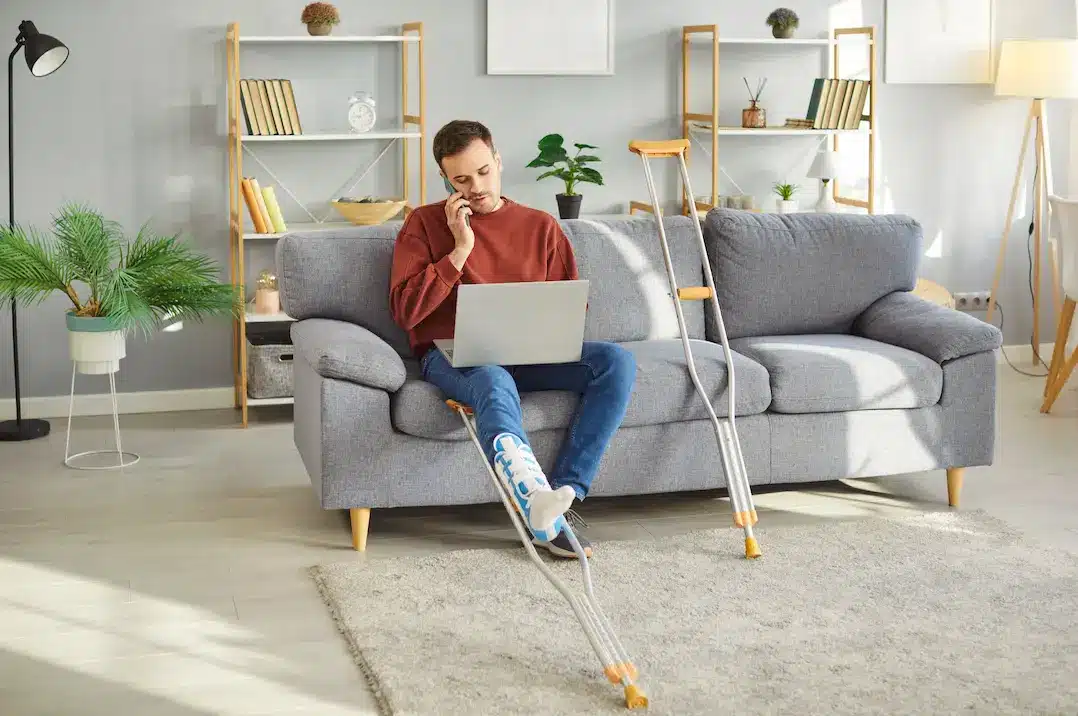
Renting an Airbnb can feel more personal and comfortable than staying in a hotel, but that does not make it risk-free. Guests can still be hurt by unsafe stairs, loose railings, poor lighting, icy walkways, broken furniture, faulty decks, or other dangerous property conditions. When that happens, the question becomes who may be legally responsible.
In Colorado, injuries at a short-term rental often fall under premises liability law. That means the property owner, host, or another party responsible for the condition of the property may be liable if their failure to use reasonable care led to the injury. Colorado’s Premises Liability Act also looks closely at the injured person’s legal status on the property, such as whether they were there as an invitee or in some other capacity.
The host may have guests sign a waiver of any injury claim arising during the stay. These are called “Exculpatory Agreements.” However, the current Colorado law casts some doubt on whether such a waiver would be effective to nullify the rights of injured guests and enhance the immunity of hosts. The Colorado Premises Liability Act may be held to pre-empt any such waiver. This is not a settled area of law and if you are injured you should talk to a lawyer who is knowledgeable about the enforceability of such waivers. There has been one case in which the Colorado Court of Appeals established a precedent that an exculpatory agreement was invalid against a statutory premises liability claim. Wycoff v. Grace Cmty. Church of Assemblies of God, 251 P.3d 1260 (Colo. App. 2010)
Duty of Care for Airbnb Hosts
Airbnb hosts are not automatically liable every time someone gets hurt on their property. Still, they do have a duty to keep the premises reasonably safe for guests who are lawfully staying there.
Under Colorado law, an invitee is generally someone who enters property for a purpose connected to the landowner’s business interests, or because the property is being held open to them. An Airbnb guest will often fall into that category because they are paying to stay at the property. For invitees, a landowner may be liable for injuries caused by an unreasonable failure to use reasonable care to protect against dangers the landowner actually knew about or should have known about.
That matters because many Airbnb injury claims come down to whether the host knew, or should have known, about a dangerous condition and failed to fix it or warn guests. Examples may include:
- broken handrails
- loose steps
- wet or slippery flooring
- dangerous balconies or decks
- inadequate lighting
- exposed wiring
- unsafe walkways, snow, or ice buildup
In some cases, liability may extend beyond the host alone. A property manager, maintenance company, cleaner, HOA, or even another responsible party may share blame depending on who controlled the condition that caused the injury.
Airbnb’s Host Protection Insurance
Many people assume Airbnb itself will automatically pay for any injury that happens at a rental. It is usually not that simple.
Airbnb states that its Host liability insurance, part of AirCover for Hosts, provides up to $1 million in coverage when a host is found legally responsible for a guest’s bodily injury or related property damage during a stay. Airbnb also says this coverage includes certain legal defense costs and is handled through a third-party insurer. But Airbnb’s own materials also make clear that exclusions apply and that coverage is not unlimited.
That means this insurance may be relevant in an Airbnb injury case, but it does not replace a full legal analysis. A serious injury claim may still involve disputes over:
- whether the host was negligent
- whether the injury happened during a covered stay
- whether a dangerous condition existed long enough to create liability
- whether another party shares responsibility
- whether the claim falls within a policy exclusion
In other words, Airbnb’s insurance may be part of the picture, but it does not decide liability by itself.
Elements of a Premises Liability Claim
To succeed in a Colorado premises liability case, the injured guest usually must show more than the fact that an accident happened. In general, the claim must connect the injury to a dangerous condition on the property and the landowner’s failure to respond appropriately.
Colorado’s Premises Liability Act applies to injuries that occur on real property because of the property’s condition, activities conducted there, or circumstances existing there. The statute also defines a “landowner” broadly enough to include not just the titled owner, but also someone in possession of the property or legally responsible for its condition.
In an Airbnb context, a claim often focuses on questions like:
- Was there a dangerous condition on the property?
- Did the host know about it, or should they have known about it?
- Did they fail to repair it, block access to it, or warn guests?
- Did that failure directly contribute to the injury?
- What damages resulted from the injury?
Common damages in these cases may include medical bills, lost wages, pain and suffering, future treatment costs, and other losses tied to the injury.
If your injury involved a structural defect or another unsafe property condition, it may also help to review this defective premises article, which explains how hazardous conditions can create liability in Colorado.
Steps to Take After an Airbnb Injury
What you do after an injury can have a major impact on your health and on any future claim.
First, get medical attention. Your safety comes first, and prompt treatment also creates important documentation tying the injury to the incident.
After that, try to preserve as much evidence as possible. Helpful steps may include:
- taking photos and video of the hazard
- photographing the surrounding area, lighting, weather conditions, and any warning signs
- reporting the incident to the host through Airbnb’s platform
- saving all messages, reservation details, and receipts
- getting names and contact information for witnesses
- keeping records of treatment, missed work, and out-of-pocket expenses
You should also avoid assuming the host will “take care of it” informally. Serious injuries often lead to disputed facts later, especially if the dangerous condition is repaired quickly after the incident.
Many Airbnb injuries also involve falls. If your injury happened because of uneven flooring, unsafe stairs, loose rugs, or poor maintenance, our page on trip-and-fall accidents in Colorado may also be useful.
When to Contact a Lawyer
Not every accident leads to a valid legal claim. But if you suffered a significant injury at an Airbnb, it is smart to speak with an attorney as early as possible.
A lawyer can help determine:
- who may be legally responsible
- whether the property owner qualifies as a landowner under Colorado law
- whether Airbnb insurance may apply
- what evidence should be preserved
- how much the claim may actually be worth
These cases can become complicated quickly because multiple parties may point fingers at each other. The host may blame a property manager. A maintenance vendor may deny responsibility. Airbnb may not be the party that ultimately pays compensation even if the booking happened through its platform.
If you were hurt because of unsafe property conditions, speaking with a premises liability attorney can help you understand your options and avoid mistakes early in the process.
A Colorado attorney can review the facts, identify potential sources of recovery, and help you pursue compensation for the harm you have suffered.