
PTSD And Emotional Trauma After An Accident

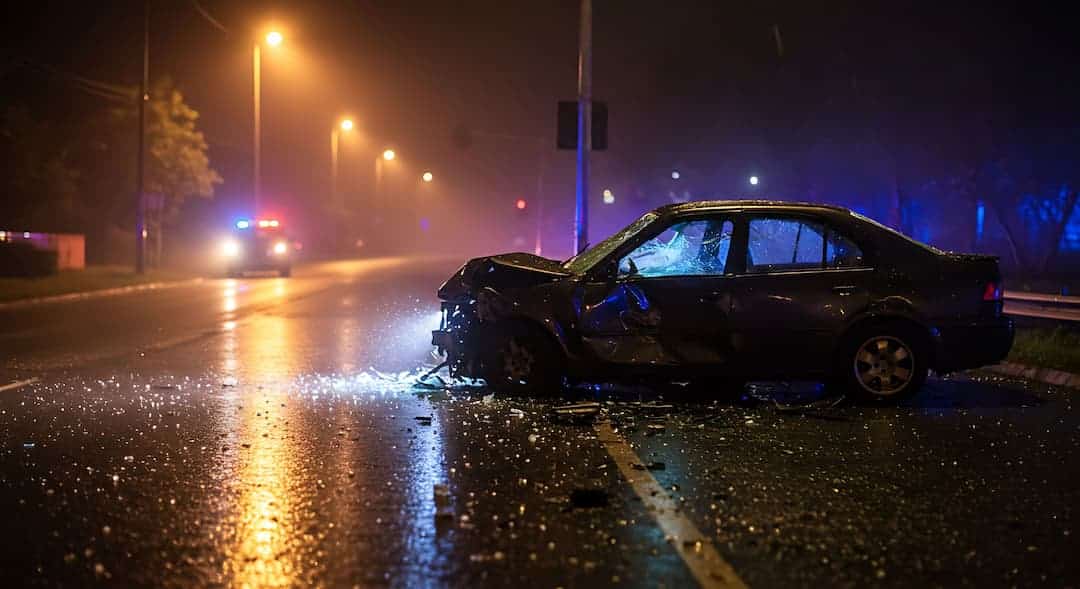
The impact of an accident is not always limited to physical injuries. After a serious crash, fall, or traumatic incident, many people continue to experience fear, anxiety, sleep disruption, flashbacks, and emotional distress long after the scene has been cleared.
These symptoms can affect work, relationships, driving, daily routines, and overall quality of life. In some cases, emotional trauma may develop into post-traumatic stress disorder, commonly known as PTSD.
From a personal injury perspective, emotional trauma matters. If another person’s negligence caused the accident, the psychological effects of the crash may be part of the damages in a legal claim. Like physical injuries, emotional injuries need to be documented, treated, and connected to the accident.
Understanding PTSD After A Crash
PTSD is a mental health condition that can occur after someone experiences or witnesses a traumatic event. Serious accidents, violent crashes, life-threatening injuries, and the loss of a loved one can all create the type of trauma that leads to ongoing psychological symptoms.
The National Institute of Mental Health explains that people with PTSD may continue to feel stressed or frightened even when they are no longer in danger. Symptoms can interfere with work, relationships, sleep, and normal daily life.
After an accident, PTSD may be tied to the crash itself, the fear of dying, the pain of the injuries, the sight of another person being injured, or the stress of medical treatment and recovery. For some people, the emotional impact is immediate. For others, symptoms develop gradually as they try to return to driving, working, or living normally.
In severe crashes, emotional trauma may also affect surviving family members. When an accident results in a fatality, families may have questions about grief, trauma, financial loss, and potential wrongful death claims.
Risk Factors And Symptoms
Not everyone responds to trauma the same way. Two people may experience the same crash and have very different emotional recoveries. That does not make one person’s symptoms less real. PTSD and emotional trauma can depend on the severity of the event, the person’s prior experiences, the support they receive afterward, and the lasting effects of their injuries.
Who Is At Risk?
A person may be more likely to experience PTSD or emotional trauma after an accident if they:
- Believed they were going to die during the crash
- Suffered serious or painful injuries
- Witnessed another person being seriously injured or killed
- Lost a loved one in the accident
- Had a prior history of trauma, anxiety, or depression
- Was trapped, pinned, or unable to escape after the collision
- Required emergency surgery or a long recovery
- Became unable to work, drive, or care for themselves as before
- Felt blamed, dismissed, or pressured by an insurance company after the accident
These factors may also matter in a personal injury claim. They can help explain why the accident caused more than temporary stress and why the emotional effects should be taken seriously.
Common PTSD Symptoms
PTSD symptoms can look different from person to person. Common signs may include:
- Flashbacks or intrusive memories of the accident
- Nightmares or disrupted sleep
- Panic when driving or riding in a vehicle
- Avoiding the crash location
- Avoiding medical appointments or conversations about the accident
- Feeling constantly on edge
- Irritability or anger
- Trouble concentrating
- Depression or emotional numbness
- Guilt, shame, or fear
- Loss of interest in normal activities
- Physical symptoms such as nausea, shaking, sweating, or rapid heartbeat when reminded of the crash
The Mayo Clinic notes that PTSD symptoms may include flashbacks, nightmares, severe anxiety, and uncontrollable thoughts about the traumatic event.
For a legal claim, symptoms alone are often not enough. Medical documentation, therapy records, diagnosis notes, prescriptions, and testimony from mental health professionals can help show how the accident affected the injured person’s life.
Treatment Options And Recovery
Emotional trauma after an accident should be treated with the same seriousness as a physical injury. Waiting too long to seek help can make recovery harder and may also create gaps in documentation if a legal claim is involved.
Treatment options may include:
- Trauma-focused therapy
- Cognitive behavioral therapy
- EMDR therapy
- Medication for anxiety, depression, or sleep issues
- Support groups
- Regular follow-up with a primary care doctor
- Gradual return-to-driving strategies
- Stress management and sleep support
- Psychiatric evaluation when symptoms are severe
The VA’s National Center for PTSD notes that effective treatments are available for PTSD, including therapy options designed to help people process traumatic memories and reduce symptoms.
From a personal injury standpoint, treatment records can be important evidence. They help show when symptoms began, how severe they were, what care was recommended, and how the trauma affected the person’s daily life. This documentation may be especially important when an insurance company argues that emotional distress is exaggerated, unrelated, or not serious enough to compensate.
Accident victims should also be careful when speaking with insurers. Statements made early in the process can be used later, especially if someone says they are “fine” before the full emotional and physical effects are known. Reviewing what to say to insurance after a crash can help avoid mistakes that may harm a claim.
Legal Help For Emotional Damages
In a Colorado personal injury case, emotional trauma may be part of the damages caused by an accident. These damages may include pain and suffering, emotional distress, anxiety, PTSD, loss of enjoyment of life, and reduced quality of life.
Colorado law recognizes noneconomic losses, which include nonpecuniary harm such as pain and suffering, inconvenience, emotional stress, and impairment of quality of life.
Proving emotional damages usually requires more than simply stating that the accident was traumatic. Helpful evidence may include:
- Mental health treatment records
- PTSD or anxiety diagnoses
- Medication records
- Primary care notes
- Statements from family members or close friends
- Work records showing missed time or reduced performance
- Journals documenting symptoms and limitations
- Expert testimony
- Evidence of how the trauma changed daily activities
A car accident attorney can help connect emotional injuries to the accident, gather supporting documentation, and respond to insurance company attempts to minimize psychological harm.
This is especially important when emotional trauma overlaps with physical injuries. For example, a person recovering from broken bones, surgery, chronic pain, or permanent limitations may also experience anxiety, depression, or PTSD because of the crash and its aftermath.
Taking Emotional Trauma Seriously After An Accident
PTSD and emotional trauma after an accident are real injuries. They can affect how a person sleeps, works, drives, communicates, and feels safe in everyday life.
If you are experiencing emotional symptoms after a crash, consider seeking medical or mental health care as soon as possible. Treatment can support your recovery and create important documentation if you later need to bring a personal injury claim.
When another person’s negligence causes a traumatic accident, the emotional impact should not be ignored. A personal injury claim should reflect the full harm caused, including both the visible injuries and the psychological effects that may continue long after the accident.