Delivery Truck Accident Liability in Colorado

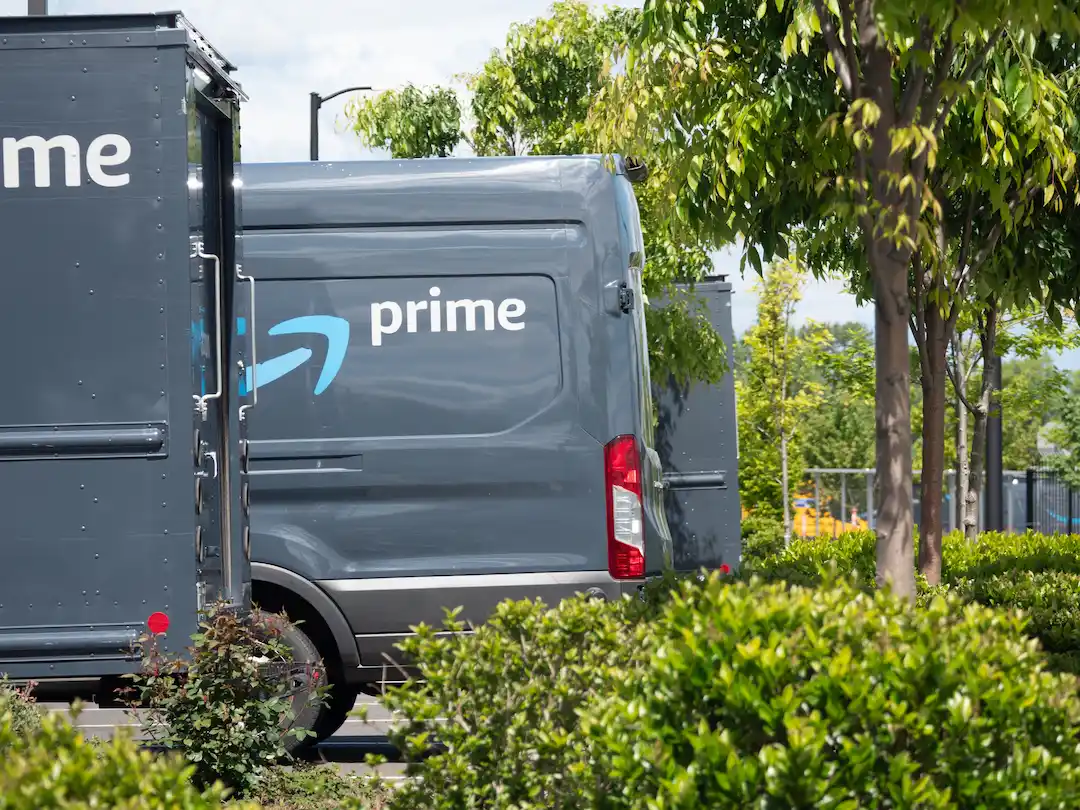
Delivery truck accidents can cause serious injuries, even when the vehicle is smaller than a semi-truck. Vans, box trucks, and local delivery vehicles often operate in neighborhoods, alleys, parking lots, downtown corridors, and other high-traffic areas where pedestrians, cyclists, and passenger vehicles are all nearby. When one of these crashes happens, figuring out liability is not always straightforward.
In many delivery truck cases, more than one party may be responsible. The driver may have made a mistake, but the employer, vehicle owner, contractor, maintenance provider, or another company in the delivery chain may also share liability depending on the facts. Because these cases often involve business records, electronic data, and insurance issues, it is important to act quickly and speak with our truck accident attorneys before key evidence disappears.
Understanding Delivery Truck Accidents
Delivery truck accidents can happen for many of the same reasons as other motor vehicle crashes, but commercial delivery work adds additional risk factors. Drivers are often under pressure to stay on schedule, make frequent stops, navigate unfamiliar neighborhoods, back into tight spaces, and work long shifts with little margin for error.
Another important factor is the high level of technology drivers are required to manage while on the road. Unlike traditional drivers, delivery drivers are expected to engage with multiple systems at once, including navigation apps, delivery platforms, and real-time communication tools. Distractions can include phone calls, texts, emails, team messaging systems, and constant route updates, all while actively driving, increasing the risk of an accident.
Common causes of delivery truck accidents include:
- distracted driving
- speeding or aggressive driving
- unsafe backing or turning
- fatigue
- overloaded or improperly loaded cargo
- poor vehicle maintenance
- limited visibility around the truck
- failure to yield in dense residential or commercial areas
These cases can involve Amazon-type delivery vans, FedEx or UPS vehicles, local courier fleets, food and beverage delivery trucks, contractor vehicles, and other business-operated trucks. Even when the crash looks simple at first, the legal responsibility behind it may not be.
Who Can Be Liable?
Liability in a delivery truck accident depends on who caused the crash and who had control over the vehicle, driver, route, maintenance, or work being performed at the time of the collision.
Delivery Driver & Employer Responsibility
The driver is often the first person examined in a delivery truck case. If the driver was speeding, texting, following too closely, turning carelessly, or driving while distracted or fatigued, they may be directly liable for the crash.
But the employer may also be responsible. In many cases, a company can be held liable for harm caused by an employee acting within the scope of their job duties. That can matter in delivery truck collisions because the driver may have been operating the vehicle during a work route, making deliveries, or carrying out employer-assigned tasks.
Employer liability may also extend beyond the driver’s immediate conduct. Depending on the facts, a claim could involve:
- negligent hiring
- inadequate training
- unsafe scheduling practices
- pressure to meet unrealistic delivery quotas
- failure to supervise drivers properly
- poor fleet safety policies
In real-world truck collision cases, the injuries can be severe. Chalat Law has handled matters such as this family hit head-on by a truck case, which shows how devastating these crashes can be for victims and families.
Vehicle Owner & Third-Party Contractors
The driver’s employer is not always the only company involved. In some delivery operations, the vehicle may be owned by one business, operated by another, and staffed through a contractor or subcontractor arrangement.
That matters because one of the first major questions in these cases is whether the driver was an employee, an independent contractor, or part of a larger delivery network involving several business entities. A company may try to distance itself from the crash by pointing to another contractor in the chain, but the paperwork and working relationship do not always tell the full story.
Potentially liable parties can include:
- the delivery company
- a parent company or regional operator
- a contractor that hired or managed the driver
- the owner of the truck
- a company that loaded the vehicle
- another motorist who contributed to the crash
A careful investigation is often needed to identify all available insurance coverage and all parties who may share fault.
Maintenance & Manufacturer Defects
Not every delivery truck accident is caused solely by driver error. Sometimes the crash involves poor maintenance, unsafe repairs, or a defective vehicle component.
For example, a case may involve:
- brake failure
- tire blowouts
- steering problems
- lighting failures
- defective backup systems
- worn suspension components
- cargo door or latch failures
If a company failed to inspect or maintain the truck properly, that may create liability. If a defect in the truck or one of its parts contributed to the crash, the manufacturer, distributor, or repair provider may also need to be examined.
Colorado Law & Evidence
Colorado law gives injured people a limited amount of time to bring a claim after a delivery truck crash. And because these cases arise from the use or operation of a motor vehicle, the filing deadline is generally different from the standard two-year deadline that applies to many other tort claims.
Statute of Limitations and Filing Deadlines
In Colorado, tort actions for bodily injury or property damage arising out of the use or operation of a motor vehicle must generally be brought within three years after the cause of action accrues. The statute specifically places motor vehicle bodily injury and property damage claims in the three-year category, rather than the ordinary two-year tort category.
That deadline is important, but waiting is still a mistake. A late investigation can make it harder to locate witnesses, secure business records, preserve onboard data, and understand how the delivery relationship was structured at the time of the crash. In some cases, other deadlines or notice requirements may also matter depending on the parties involved.
Importance of Preserving Evidence
Evidence disappears quickly in commercial vehicle cases. A truck may be repaired, sold, or returned to service. Electronic records may be overwritten. Driver communications, dispatch records, GPS history, route logs, inspection records, and maintenance documentation may not be kept forever.
That is why early evidence preservation can make a major difference. Important evidence may include:
- crash scene photographs
- vehicle damage documentation
- surveillance footage
- witness statements
- driver qualification records
- hours and route records
- GPS or telematics data
- inspection and maintenance logs
- employer communications
- delivery app or dispatch records
The sooner an attorney becomes involved, the sooner steps can be taken to preserve the evidence needed to prove fault and identify all responsible parties.
When to Contact a Lawyer
If you were injured in a delivery truck accident, it is a good idea to speak with a lawyer as soon as possible, especially if the crash caused serious injury, involved a commercial insurer, or may have included multiple business entities.
An attorney can help investigate the crash, identify the right defendants, preserve records, evaluate insurance coverage, and build the case before key evidence is lost. Delivery truck cases are often more complex than ordinary car accident claims because the driver is usually operating in a work capacity and the business structure behind the vehicle may be layered.
If you or a loved one has been hurt, speaking with a Denver car accident attorney can help you understand your options and take action before deadlines and evidence problems make the case harder to prove.